A few years ago, my wife and I made a list of our top five dream destinations. The goal was simple: make travel decisions easier and focus on places we really wanted to see.
Alaska was third on my wife’s list, mostly because of the landscapes and wildlife. Since we do not love cold weather, we planned this trip for late June. From Vancouver, it is only about a 3.5-hour flight, so we extended a long weekend and turned it into a 5-day trip.
We used Anchorage as our base at first, then moved to Moose Pass to be closer to Seward for our cruise day. Our goals were to see moose, maybe bears, and do a marine wildlife tour. Compared to our 9-day Iceland Ring Road trip itinerary in May, this trip was intentionally less packed because we also wanted to rest and relax in nature.
Day 1: Arrival in Anchorage
We landed around noon on Friday, picked up the rental car, and went straight to downtown Anchorage.
Our first stop was Glacier Brewhouse for lunch. The place has a great atmosphere and a beautiful wooden interior. As someone who really likes clam chowder, I have to say this one was excellent. It was better than versions I had in San Francisco and Seattle, and easily in my top three.
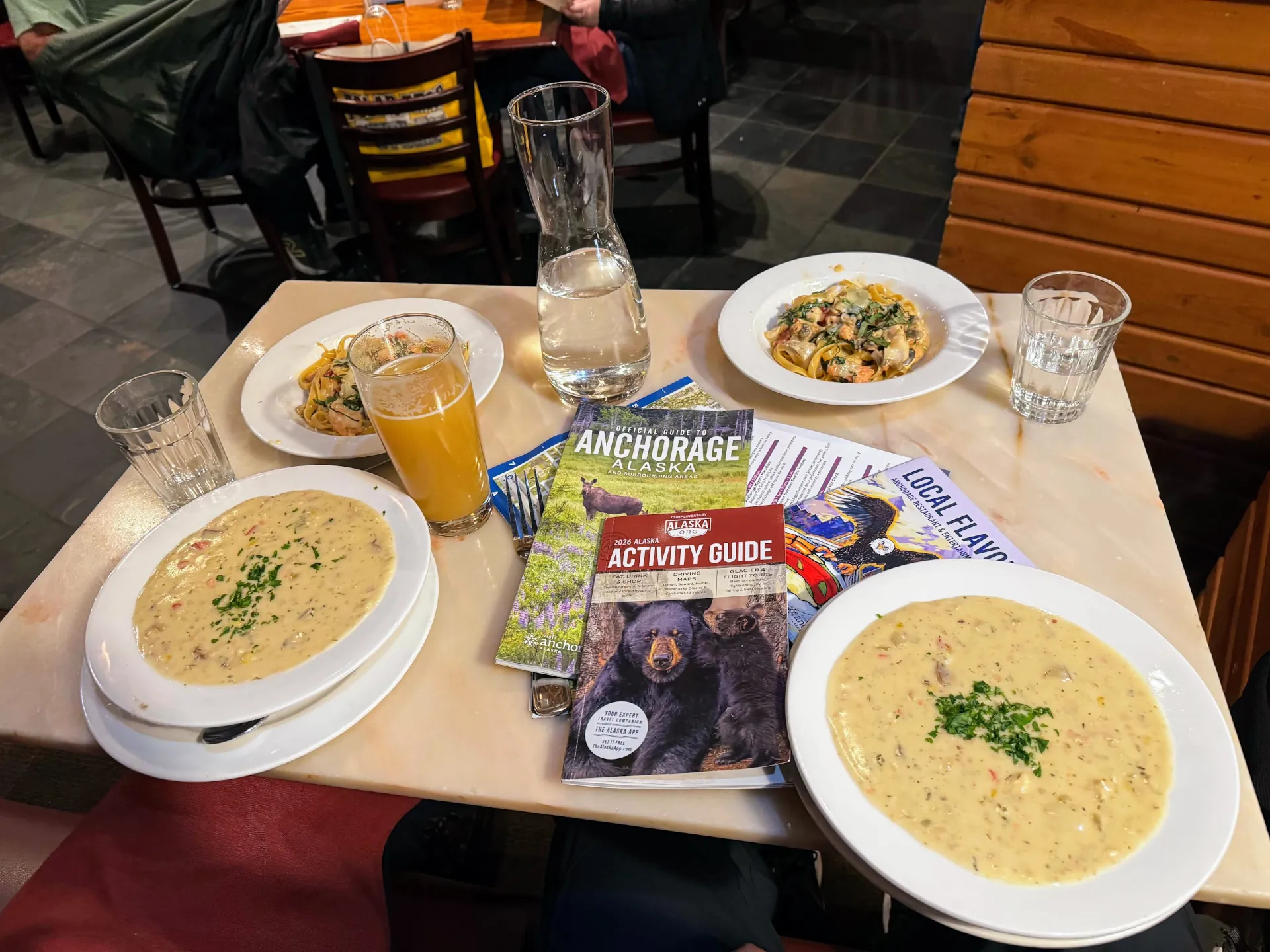
Our first meal in Alaska at Glacier Brewhouse, where the chowder set a very high bar for the trip.
After lunch, we did practical errands: Costco for bulk items and Carrs for smaller groceries. Since our Airbnb had a kitchen, we stocked up on easy meals we could heat quickly. It saved money and made the trip less stressful.
Day 2: Moose hunt, musk oxen, and rainy views
Day two became our “moose hunt” day. We first checked Potter Marsh, but it was rainy and not ideal, so we changed plans and kept driving.
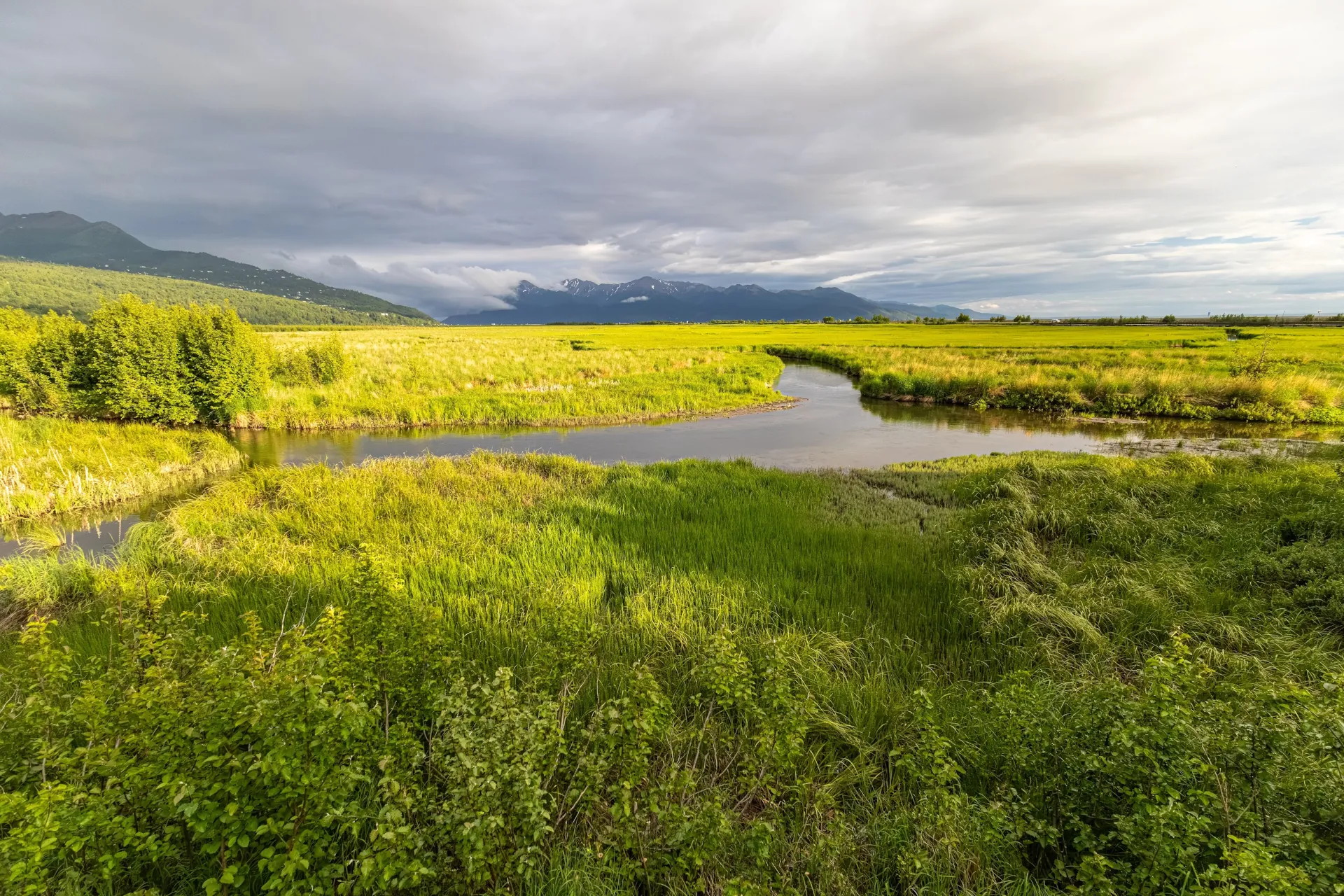
A rainy stop at Potter Marsh before continuing our wildlife search.
One of the best stops was the Musk Ox Farm in Palmer. Tickets were USD 16 per person, and the guided visit was very informative. Our guide, Eric, was great and explained a lot about musk ox behavior and habitat. We even saw sandhill cranes there, which was a nice extra.
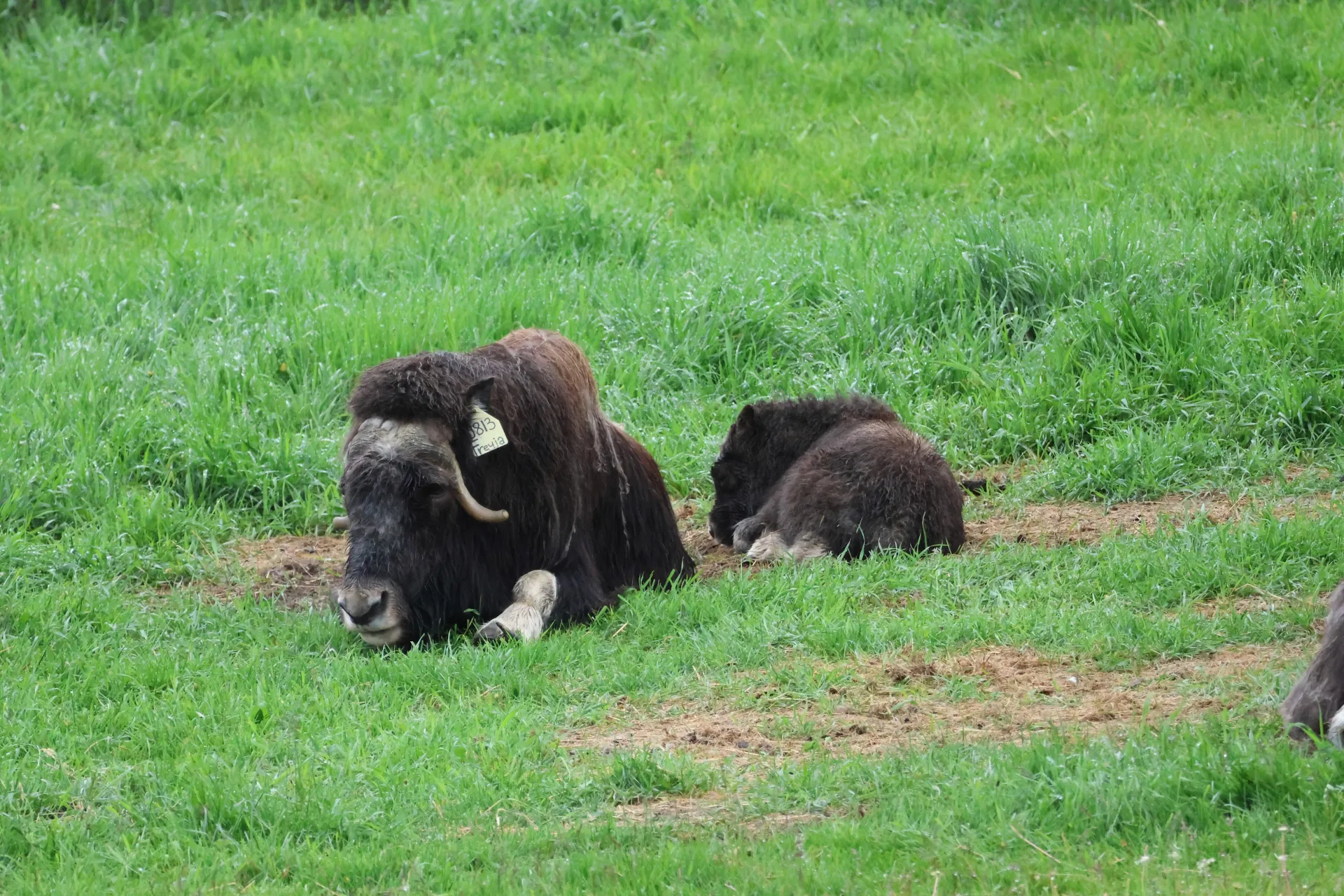
Musk Ox Farm in Palmer, one of the most informative stops of the trip.
From there, we drove to Hatcher Pass and Independence Mine. The scenery looked beautiful, but the weather was rainy and very cloudy, so we could not enjoy it as much as we hoped.
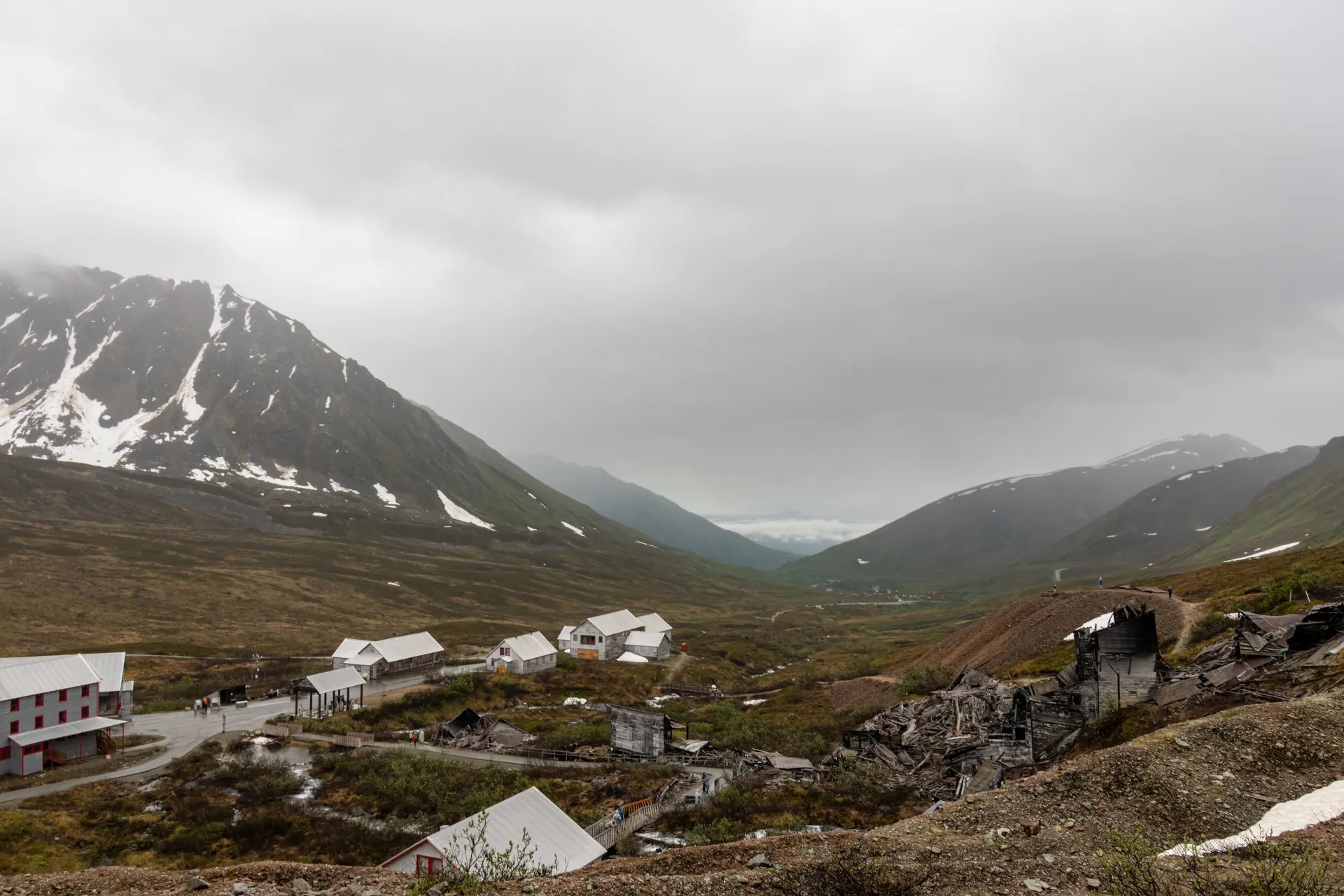
Independence Mine in Hatcher Pass under rainy weather.
Back in Anchorage, we checked Ship Creek for salmon, but the run had not started yet. We also did an evening attempt around Kincaid Park and nearby areas. Later, we drove north after Eric shared a few moose spots and saw three females, but still no fully mature bull with large antlers.
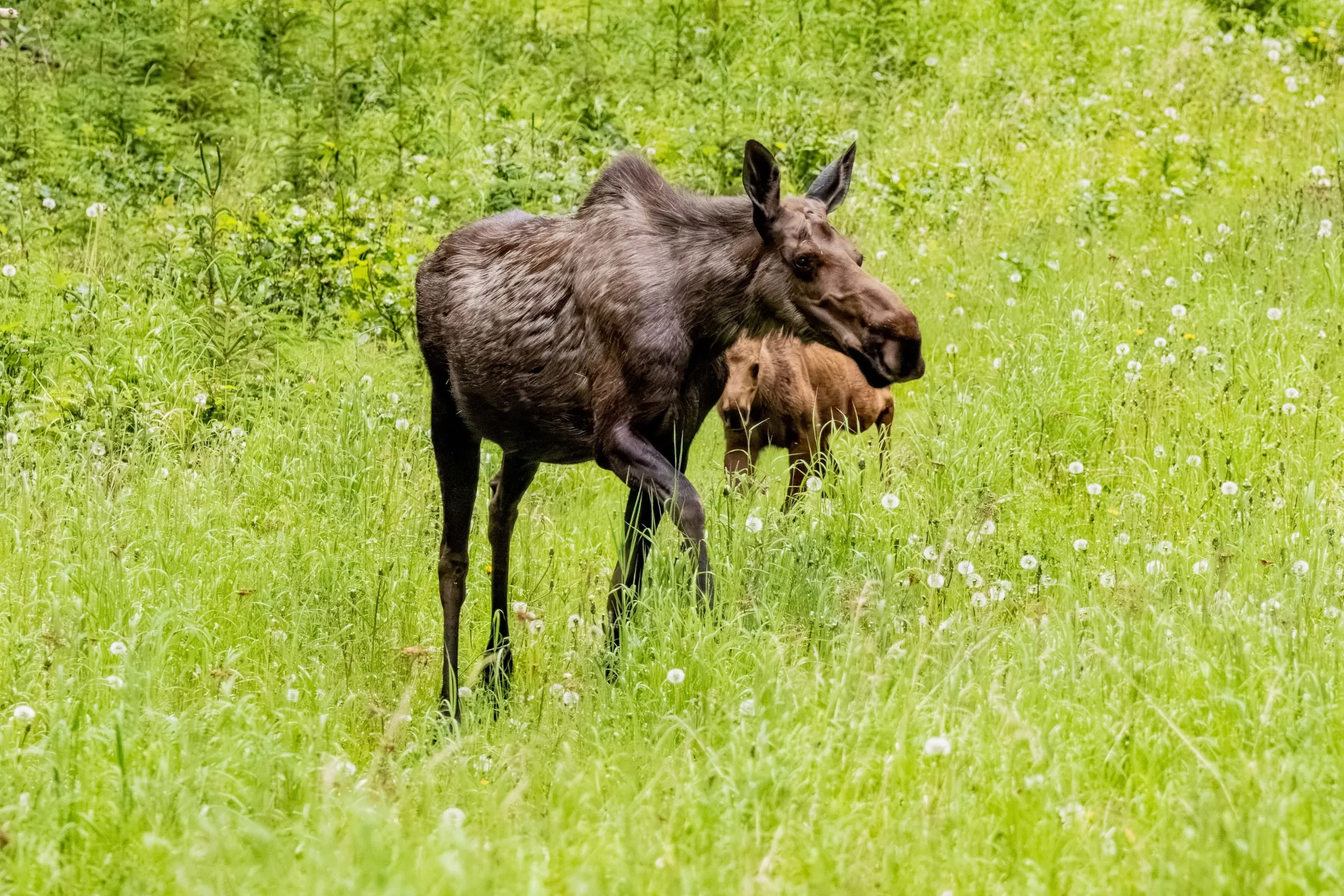
One of the moose sightings from our day-two wildlife hunt.
Day 3: Move to Moose Pass and wildlife stops
On day three, we changed Airbnb and moved to a cabin in Moose Pass so we could be closer to Seward for the cruise.
Before heading fully south, we made a few extra stops around Anchorage, including Ship Creek one more time, Potter Marsh, and Beluga Point. They were fine, but wildlife activity was low when we were there. We did spot a moose at Kincaid Park though, which was a nice bonus before leaving the city.
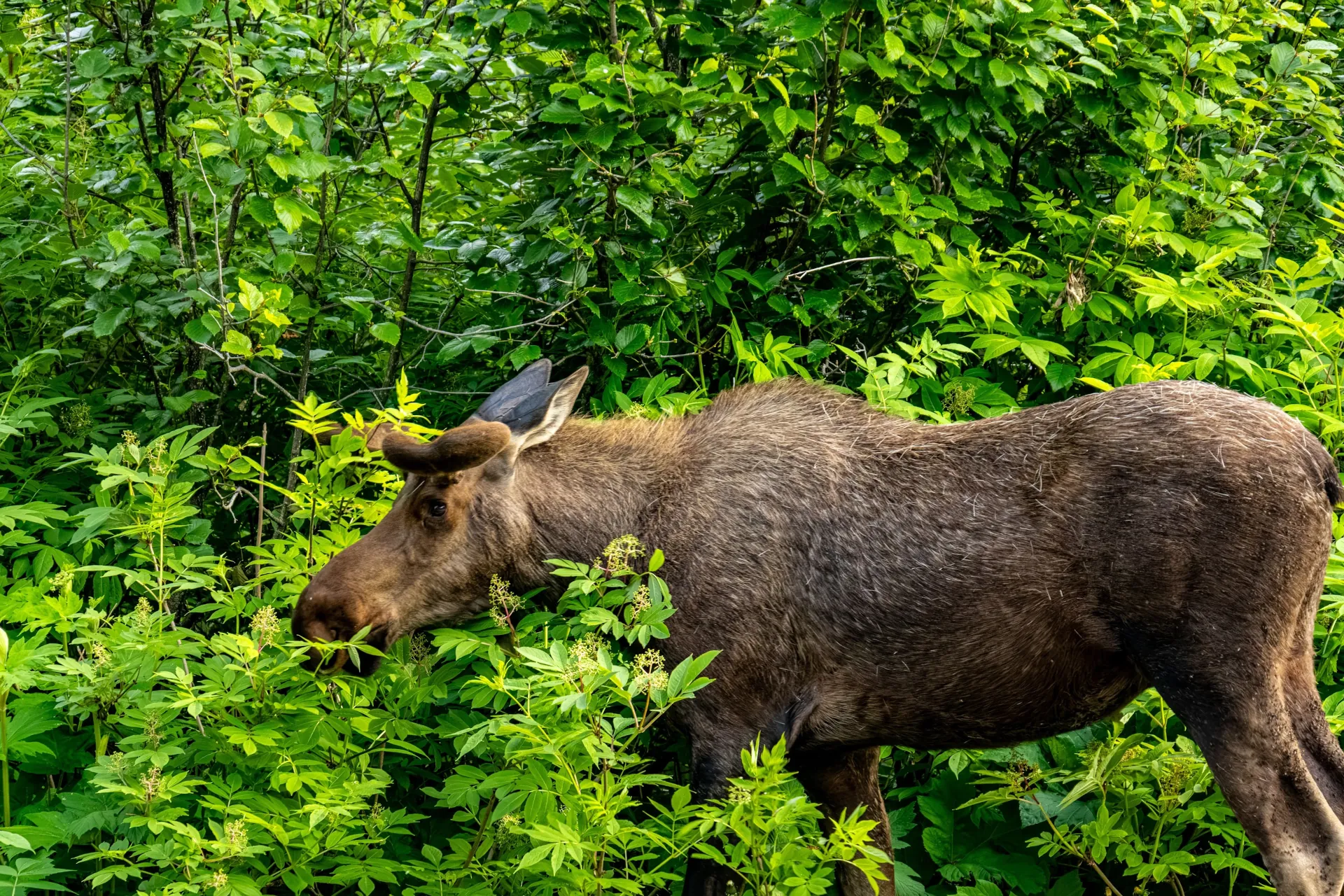
A moose sighting around Kincaid Park before we headed toward Seward.
The drive toward Seward is beautiful, especially along the coast. On the way, we saw a bald eagle in the wild, which was a first for both of us and a great surprise. We stopped at a viewpoint before reaching the real highlight of the day: the Alaska Wildlife Conservation Center.
For wildlife photos on this trip, I used the same setup I described in why I bought a camera for our safari.
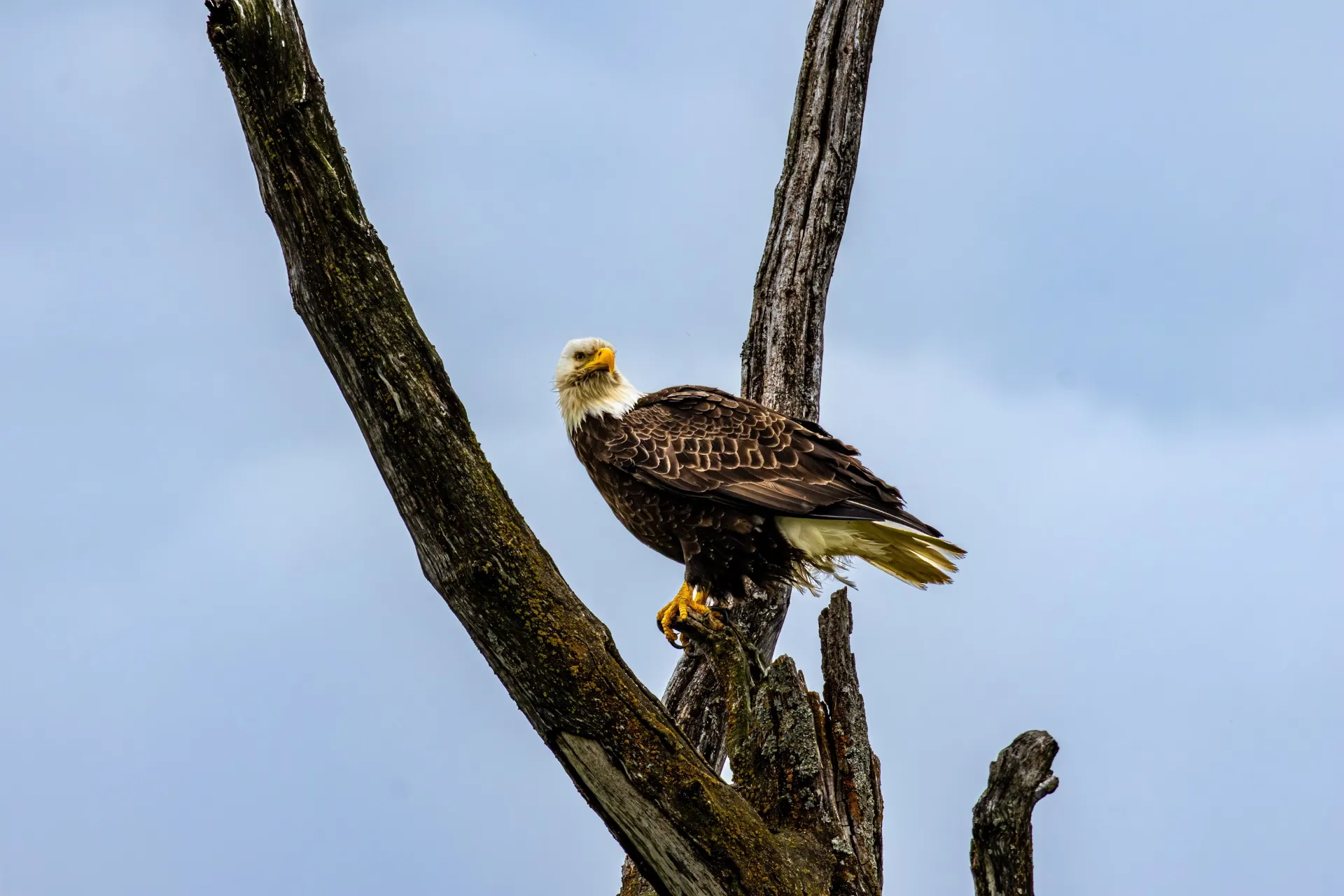
Our first bald eagle sighting in the wild, spotted on the drive south. Available on Adobe Stock.
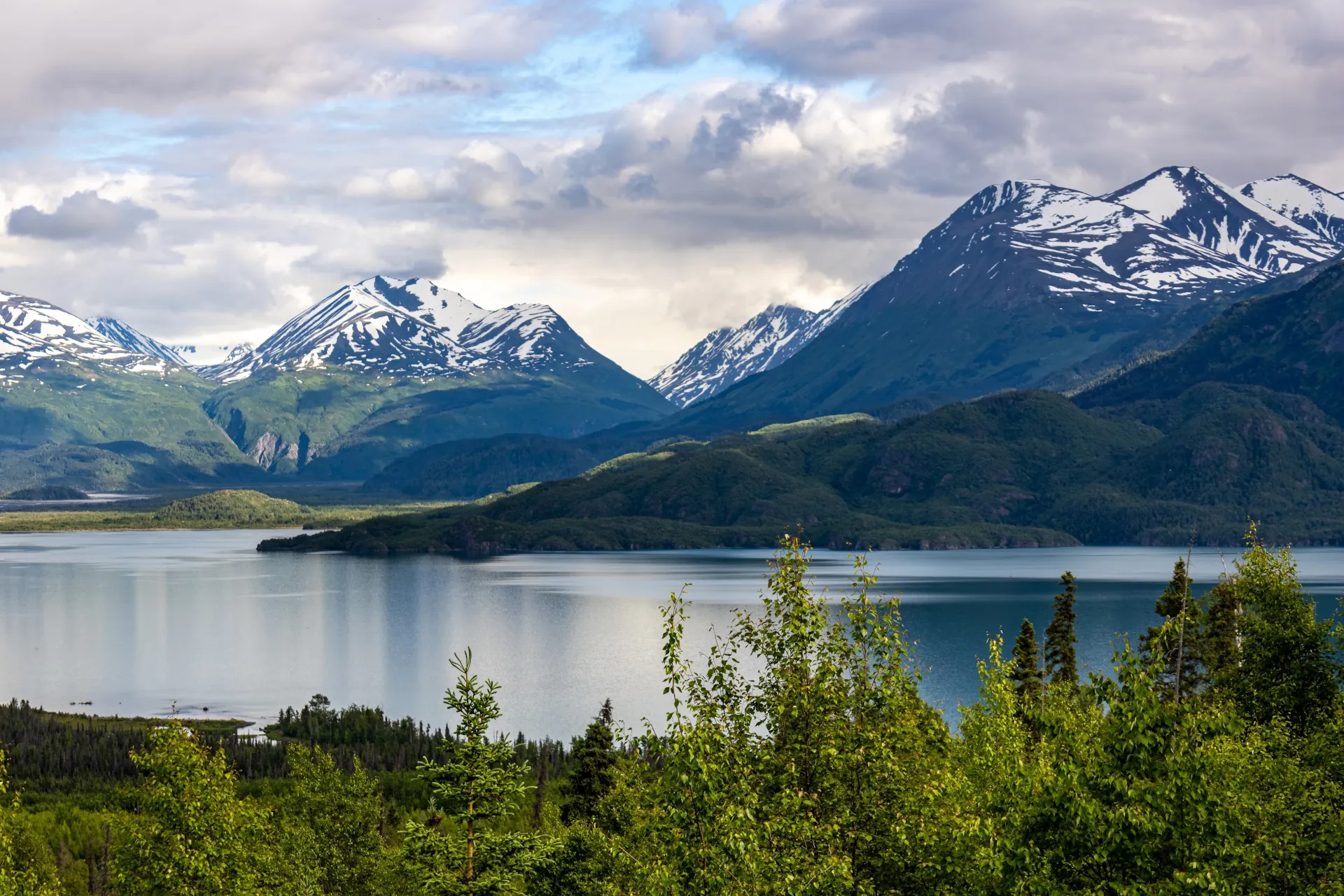
Views near Moose Pass on the way to our second stay.
Seeing moose, brown bears, and wood bison up close was very cool. We always prefer seeing wildlife in the wild, but this was still a great way to learn more and observe animals from a short distance.
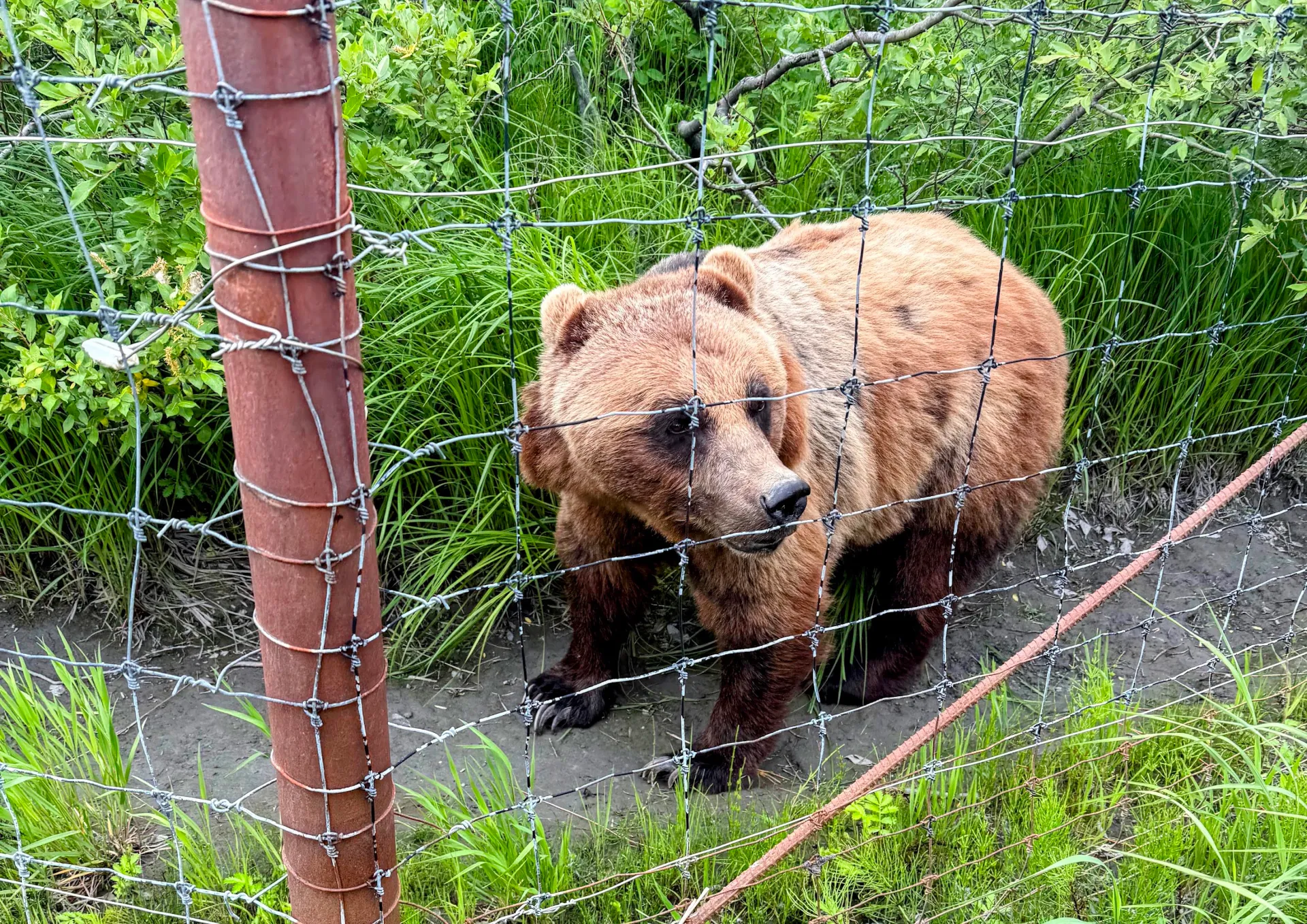
Brown bear at the Alaska Wildlife Conservation Center, one of the highlights before Seward.
Day 4: Kenai Fjords cruise (best day, hardest day)
We left very early for Seward and boarded a 7.5 Hour Kenai Fjords National Park Cruise with Major Marine Tours around 9:30 a.m. We were on a larger boat called Glacier Express.
One thing that was helpful was having captain narration throughout the cruise, plus a simple deli lunch included. Since this is a longer route, it also gives the captain more time to search for wildlife and reach glacier areas.
If you plan to do this cruise in peak summer, I recommend booking in advance because the popular departures can fill up.
The first part was incredible. Right after departure, we saw seals. Less than an hour later, we watched 4 to 5 humpback whales bubble-net feeding together. Birds were circling above, anticipating where the whales would surface. It was one of those moments where everybody on the boat goes silent for a second.
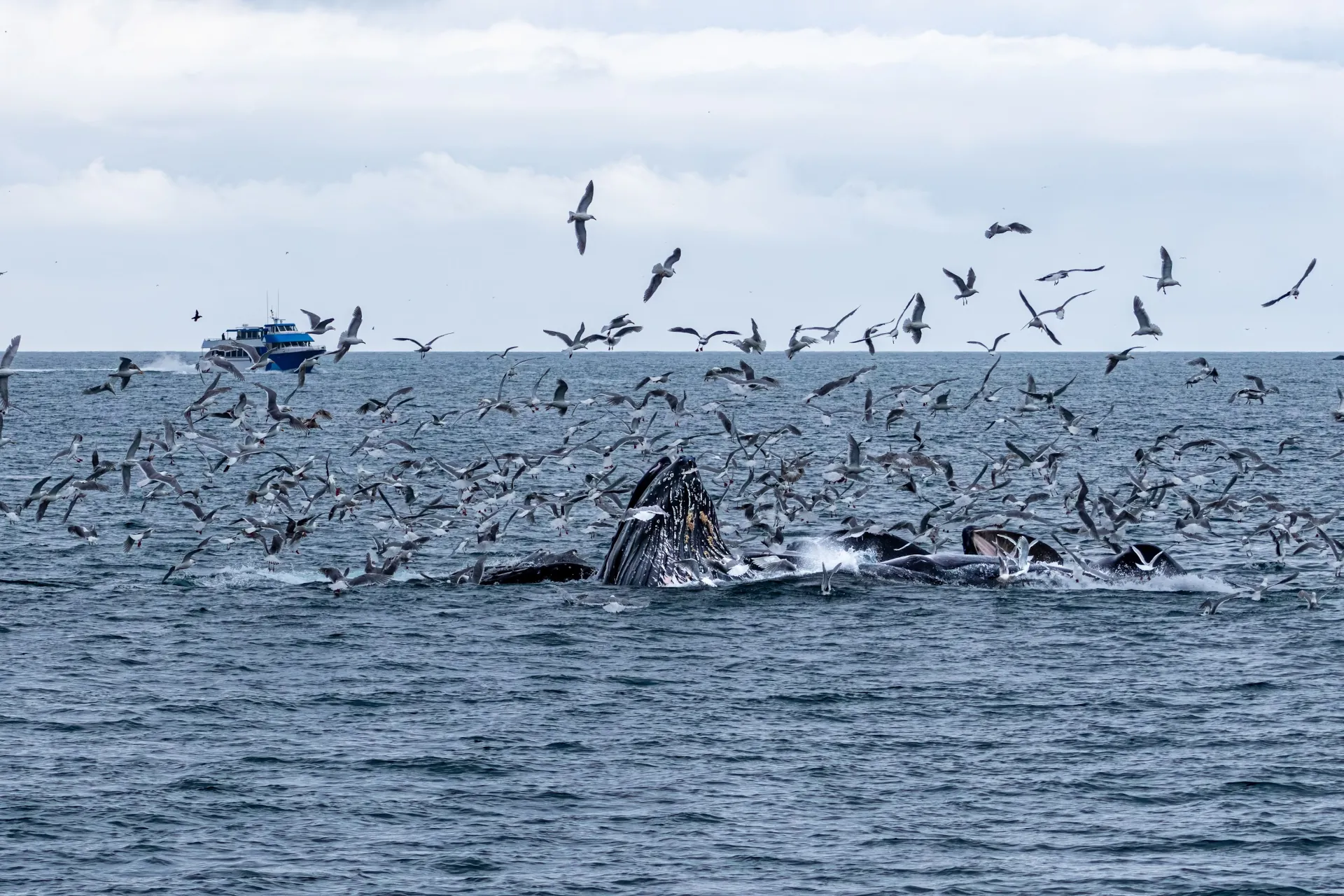
A group of humpback whales bubble-net feeding together in Kenai Fjords. Available on Adobe Stock.
Then the rough part started. Once the boat moved into open sea, motion sickness hit us hard. We do not have strong sea legs, and we were not the only ones. Waves were around 10 feet at one point, and around 30% of the boat seemed to be asking for motion sickness bags.
Even in that state, we managed to spot a few orcas. I got a quick look, while May was already feeling very unwell. Huge credit to the crew, they were calm, helpful, and kind the whole time.
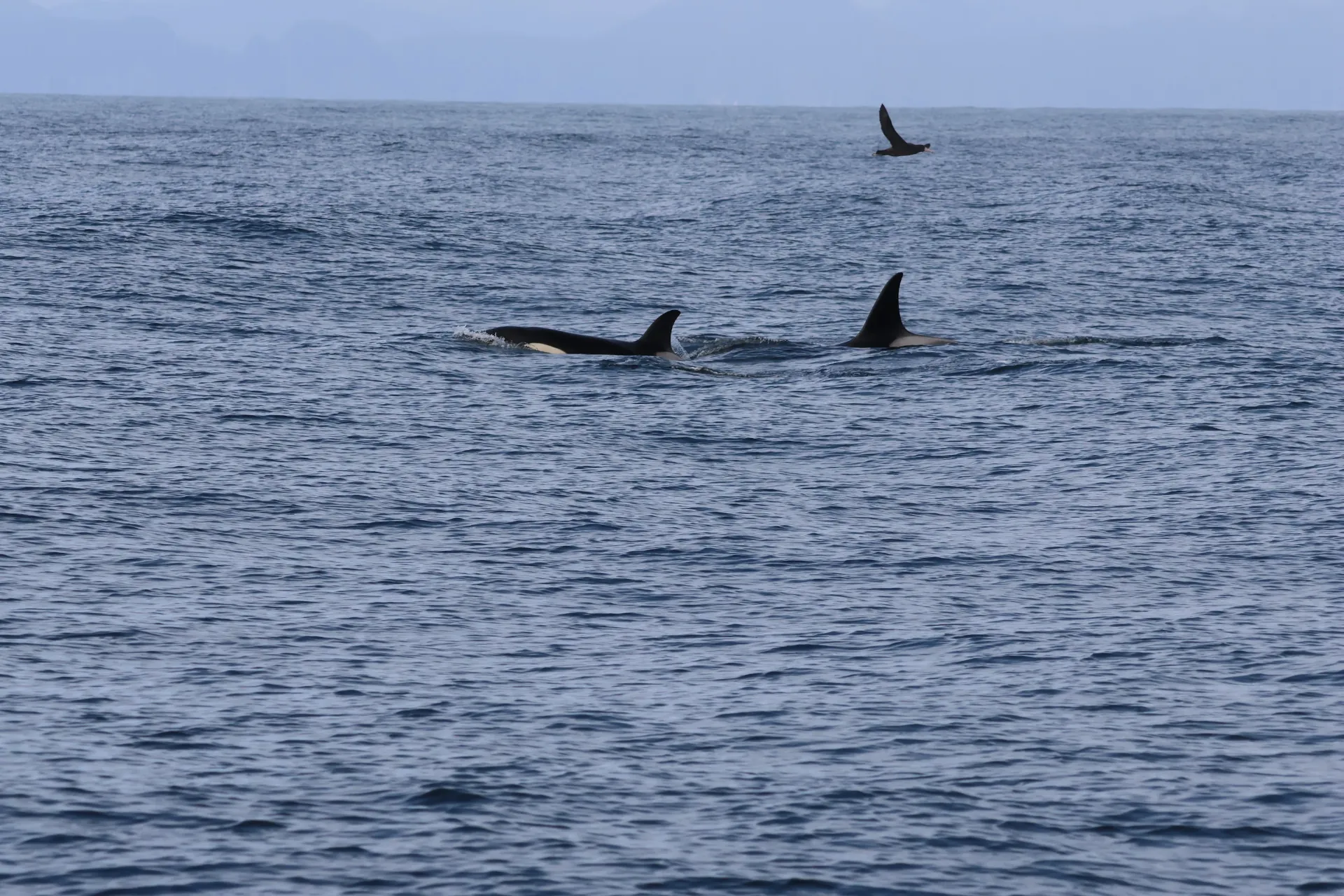
A quick but memorable orca sighting during rougher waters. Available on Adobe Stock.
When we returned to calmer waters, things got better. We saw puffins, sea otters, and Steller sea lions, then reached the glaciers. Holgate Glacier was our first tidewater glacier up close, and it looked exactly like the giant glacier scenes you see in documentaries.
The second glacier, Aialik Glacier, was even larger, and we saw calving. Watching chunks of ice break off and crash into the water was one of the most impressive things of the trip. It felt very different from our Canadian Rockies camping trip, where most glacier views were land-based.
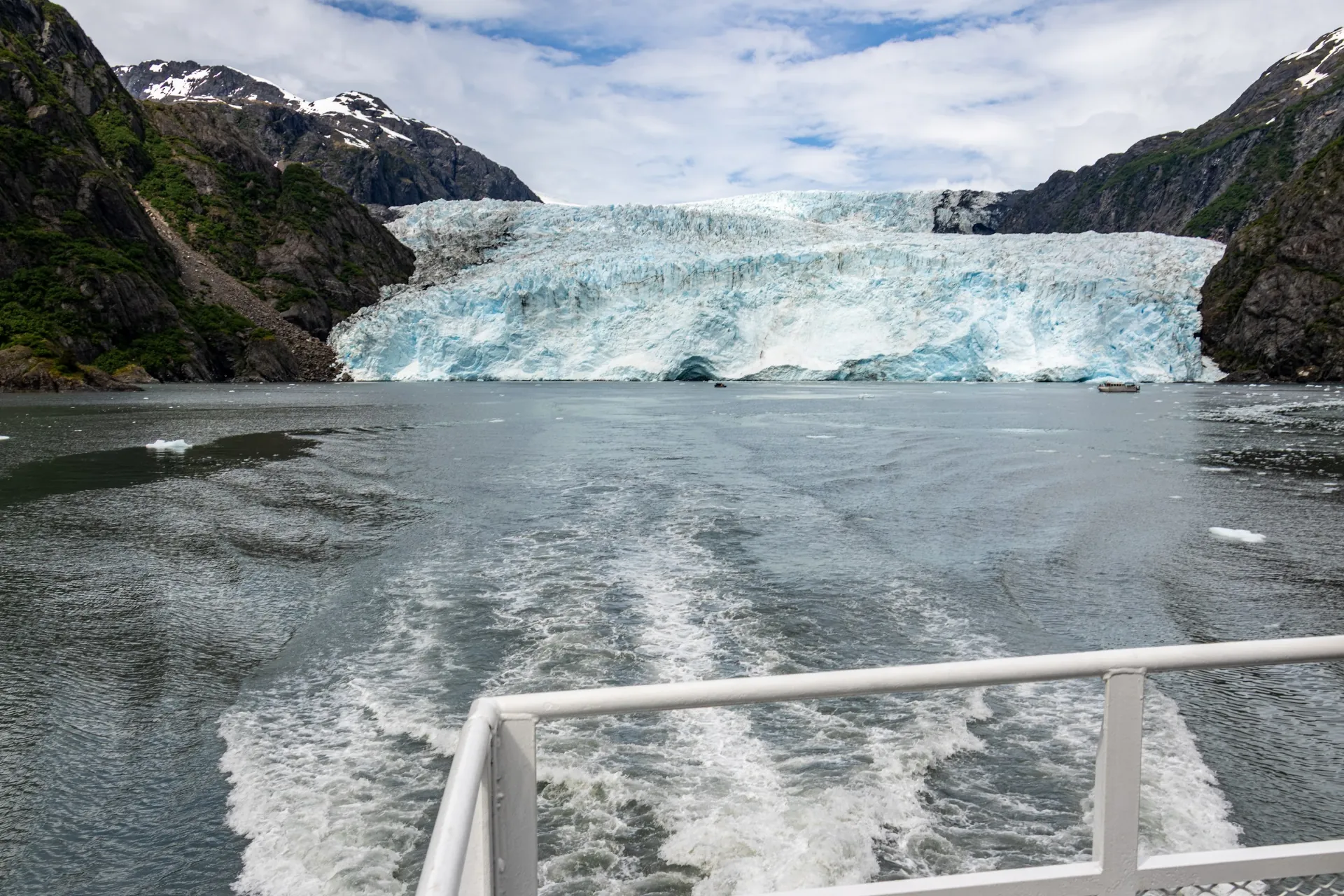
One of the glaciers from our Kenai Fjords cruise, where we also saw calving. Available on Adobe Stock.
By evening, we were exhausted. We had chowder near Seward that unfortunately was nowhere near as good as day one, then went back to the cabin to rest.
Day 5: Russian River Falls and one last slow day
On the final full day, I hiked Russian River Falls while May drove around looking for wildlife.
My main goal was to see salmon jumping, and I did. Watching salmon leap upstream at the falls was a first for me and one of those simple moments that stays with you.
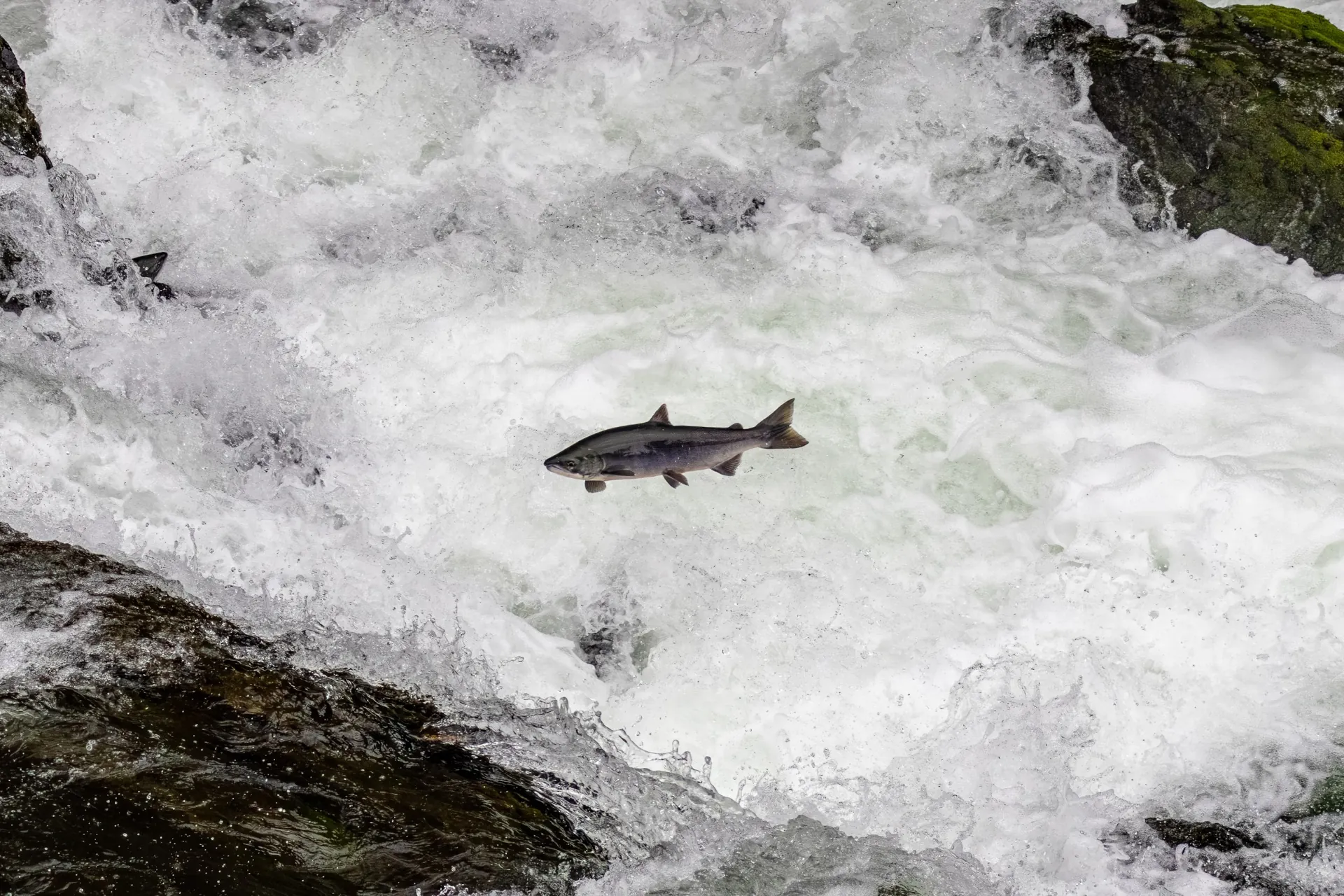
Salmon jumping upstream near Russian River Falls, one of my favorite moments from day five.
Later we met again, drove around, and had lunch at Two Brothers. It was arguably our best meal in Alaska, with Glacier Brewhouse still very close in second place.
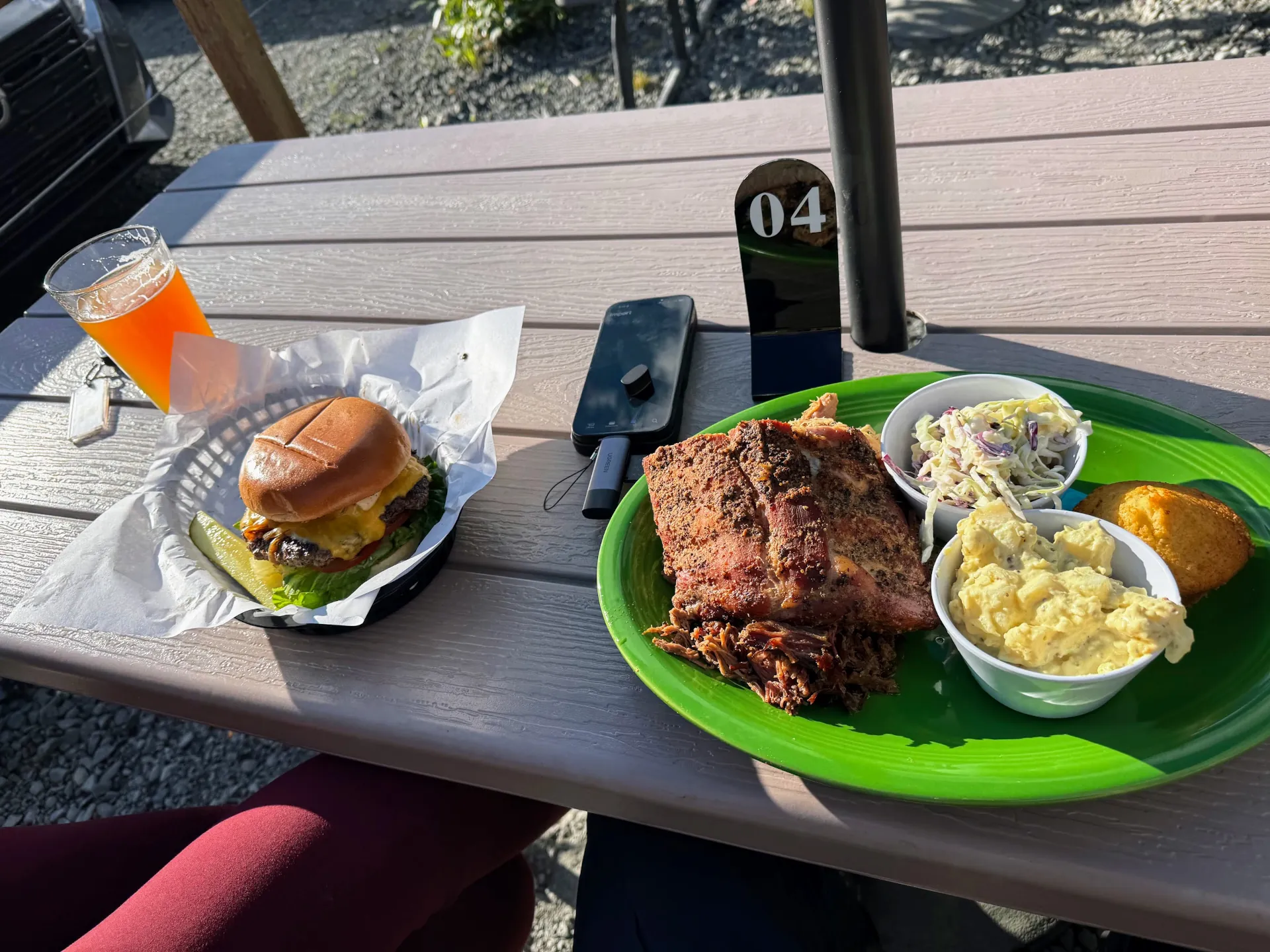
Lunch at Two Brothers, arguably our best meal of the trip.
Final day: Back to Anchorage
On the way home, we drove from Seward back to Anchorage, returned the rental car, and flew back to Vancouver.
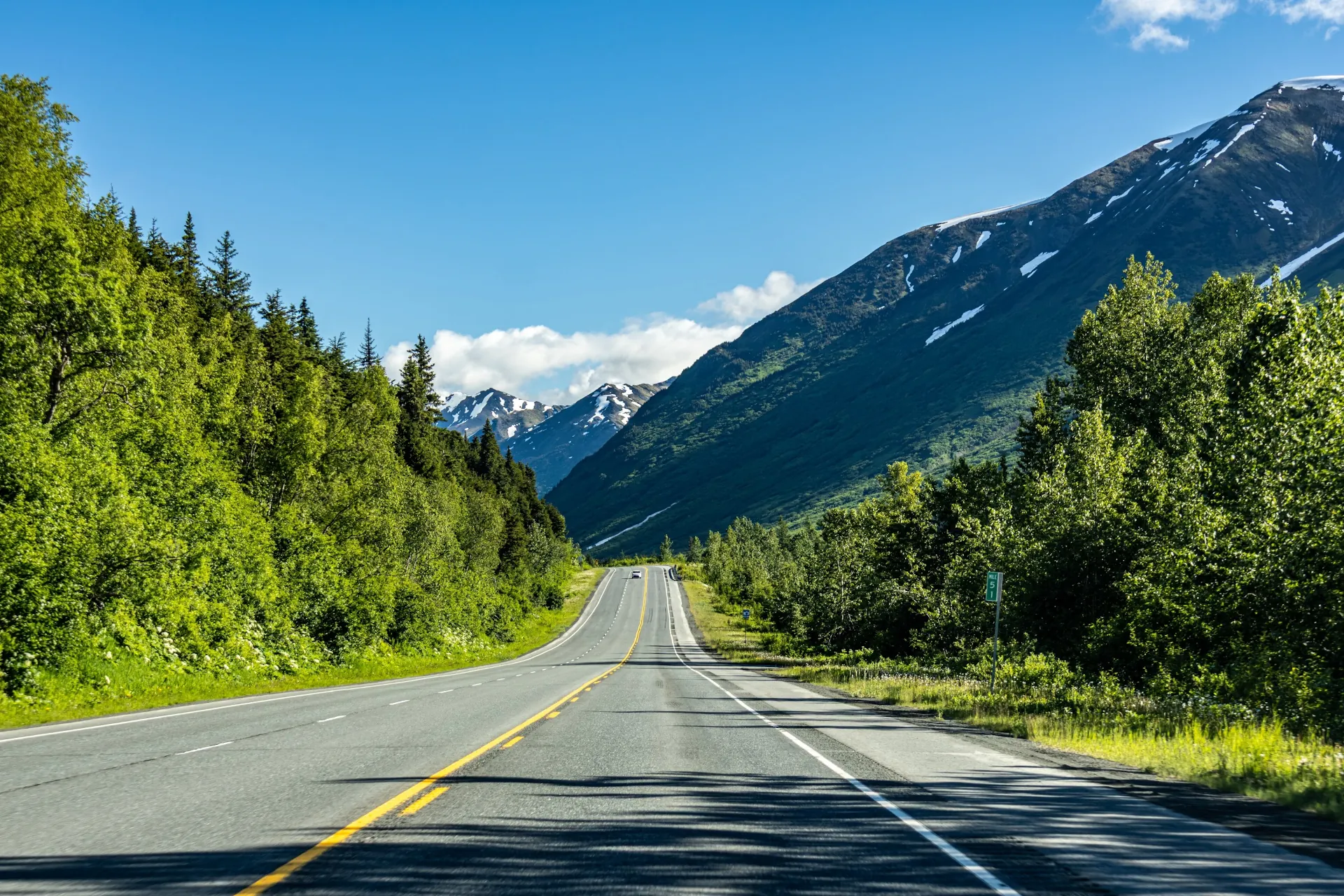
One last scenic drive back to Anchorage before heading home.
Logistics
Rental car
For this itinerary, a rental car made a big difference. We rented with Avis from their Midtown location, which is about a 10-minute Uber ride from the airport. Picking it up there rather than at the airport was cheaper, and the ride was quick and easy.
We used it every day: city errands, day trips around moose spots, the drive to Moose Pass, and the early morning commute to Seward for the cruise.
Road conditions on our route were generally good, and the car gave us flexibility to adjust plans based on weather and wildlife sightings.
One thing that surprised us was the price. Our rental car ended up being the most expensive part of the trip, even more expensive than flights and accommodation.
If your plan is similar, I would still recommend a car even for a short trip. It gives you much more control over timing and lets you stop when you see wildlife or good viewpoints.
Where we stayed (Airbnbs)
We split the trip into two Airbnb stays, and that worked really well for balancing convenience and nature.
- Anchorage Airbnb - Cupples Cottage: Practical base for arrival day, groceries, and local driving.
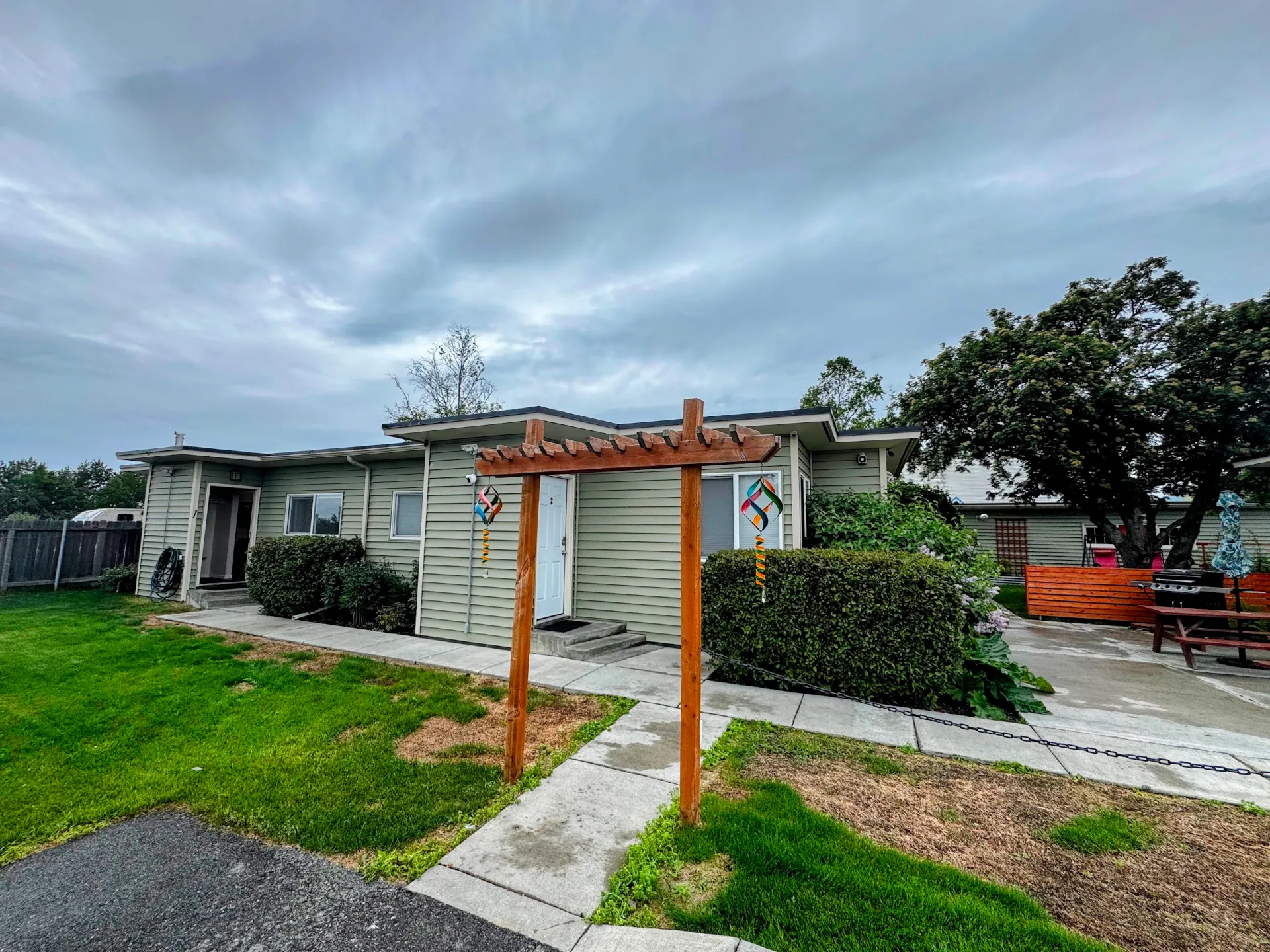
Our Anchorage stay, a practical base for the first part of the trip.
- Moose Pass - The Bear Cub Cabin: Better location for Seward and the Kenai Fjords cruise, plus a calmer nature setting.
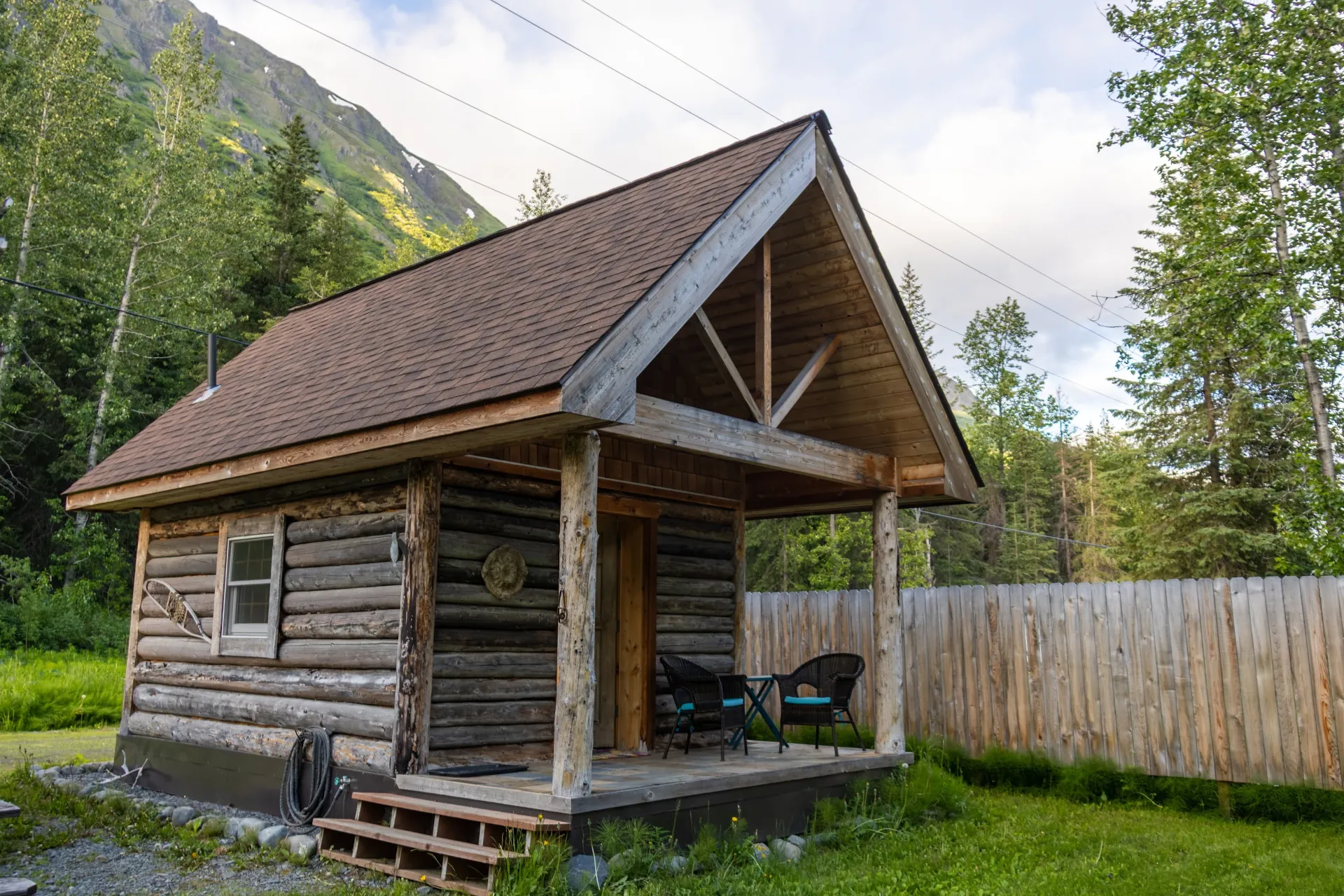
Our Moose Pass cabin, which made early Seward mornings much easier.
Both places had a kitchen, and that helped us keep costs under control by combining restaurant meals with simple microwave-ready meals from Costco and Carrs.
If I did this route again, I would use the same pattern: Anchorage first, then Moose Pass or Seward for the cruise days.
What went well and what I would do differently
Overall, this was a great short trip. We saw many moose, whales, orcas, puffins, otters, sea lions, and a brown bear at the conservation center.
The Kenai Fjords cruise was both the best experience and the hardest one because of seasickness.
If we go again, I would change a few things:
- Take stronger motion sickness precautions before the cruise.
- Plan for late summer or early autumn if the main goal is seeing mature bull moose with full antlers.
- Keep the relaxed pace. It worked really well for this destination.
Alaska felt wild, calm, and huge at the same time. Even with some rough weather and rough waters, it gave us exactly what we were hoping for: wildlife, big landscapes, and a memorable reset.