My wife and I did a 10-day private safari in Kenya and Tanzania. We started in Nairobi and went to Lake Nakuru National Park (1 night), Masai Mara National Reserve (2 nights), Northern Serengeti National Park (1 night), Central Serengeti National Park (1 night), Ngorongoro Crater (1 night), Tarangire National Park (1 night), Amboseli National Park (2 nights), and finished in Nairobi.
We saw everything we hoped for and more: the Big Five, the wildebeest crossing the Mara River, and animals close enough to leave us speechless. One of the highlights was watching a lioness hunt and bring down a wildebeest right in front of us.
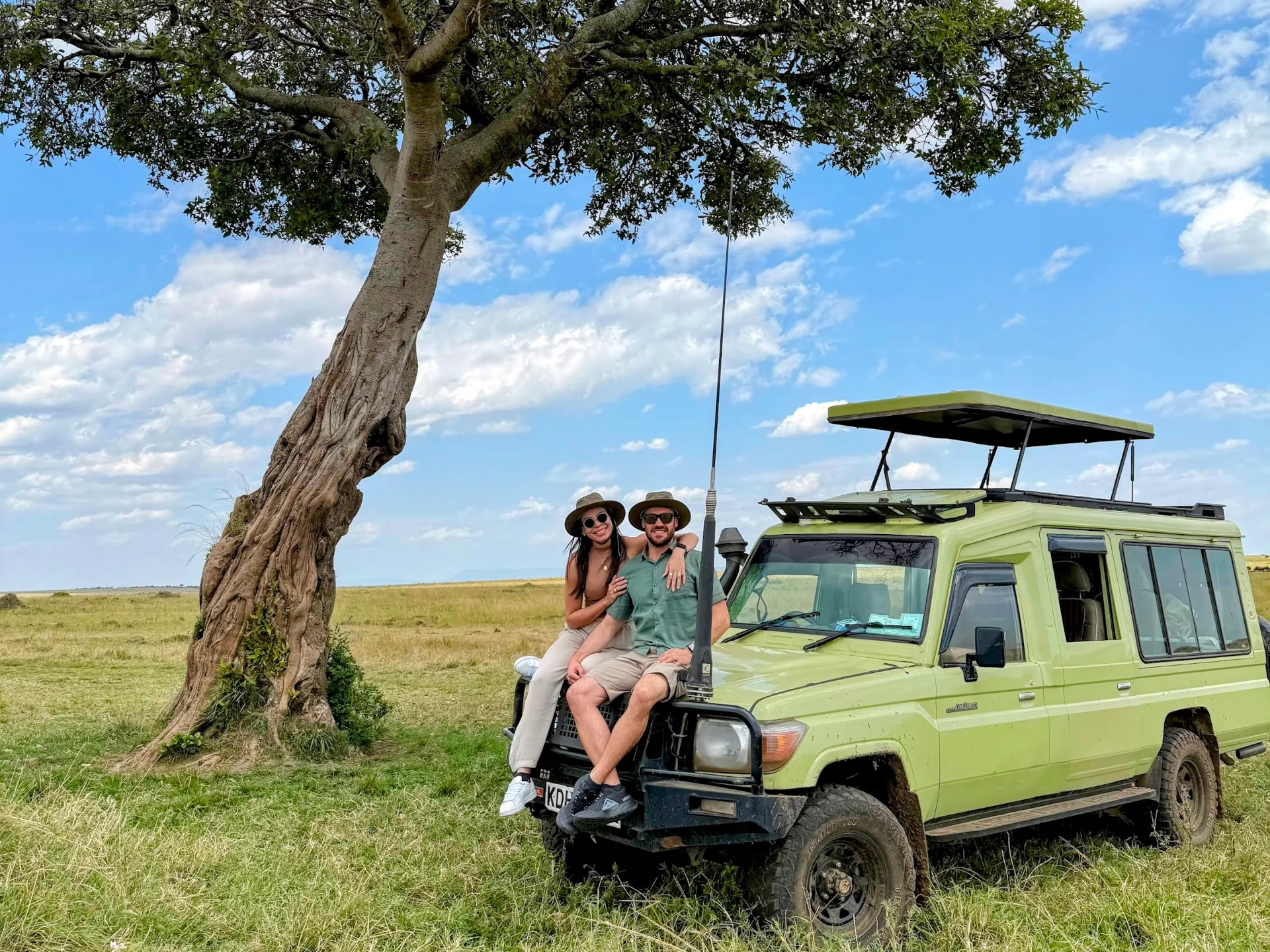
My wife and I in our safari car
In this post, I’ll share the most important lessons from our trip to help you decide if this type of adventure is right for you. If you’d like to see some of the photos along the way, I’ve posted them on Instagram.
After giving you a quick overview of our route and highlights, let’s go back to the beginning and explain how we chose this safari in the first place.
Why We Chose This Safari
Choosing a safari was not just about picking a destination. It involved thinking about why we wanted to go, where exactly to go, and when would be the right time.
Why safari
We’ve always loved to travel, but like most people, time and money are limited. To make our trips more intentional, back in December 2023 we each made a list of the top five places we wanted to see in our lifetime. We even made slide presentations for each other and then combined our lists. The idea was to focus on the most important trips, rather than spending money on places that were interesting but not a priority.
Africa was number one on my list and fourth on my wife’s. After visiting Dubai last year (her number one choice), this year it was time for Africa and a safari.
The real “why” behind it is our love for wildlife and nature. Africa offers a concentration of animals and landscapes that we couldn’t experience in Canada, Brazil, or anywhere else we had traveled before. A safari was a chance to see truly unique wildlife up close.
Why Kenya and Tanzania
The biggest reason was the diversity and abundance of animals. We also wanted the chance to witness the Great Migration, when wildebeest cross the Mara River in huge numbers. Kenya drew us in with the Masai Mara, and we added Tanzania mainly for the Serengeti.
Why late August
This is when the wildebeest make their way back from Kenya into Tanzania, so the chances of seeing a river crossing are much higher. It’s also the dry season, when animals gather around limited water sources, making sightings easier.
Once we had decided on Kenya and Tanzania, the next step was figuring out the practical side: which company to trust, how to organize the parks, and what paperwork we needed.
Planning the Trip
Planning a safari can feel overwhelming, especially for a first trip to Africa. Here is how we approached it, from picking a company to handling visas and vaccines.
How we chose the safari company
Choosing a safari company felt overwhelming at first. We didn’t know anyone who had gone on a safari before, so we had no personal recommendations.
We discovered SafariBookings and found it much more useful than TripAdvisor or other sites. It had detailed information, organized listings, and plenty of tour options. We filtered by countries and parks, then compared companies by reviews, years in business, and size.
We asked for quotes from four companies. Prices were very similar, but Morningstar Tours & Travel stood out for two reasons: their reviews and their digital itinerary. The itinerary included detailed information, recommended stays, alternative options, and costs. It made planning much easier since we wanted to pick the lodges ourselves. We ended up changing some of the suggested parks and also lodges.
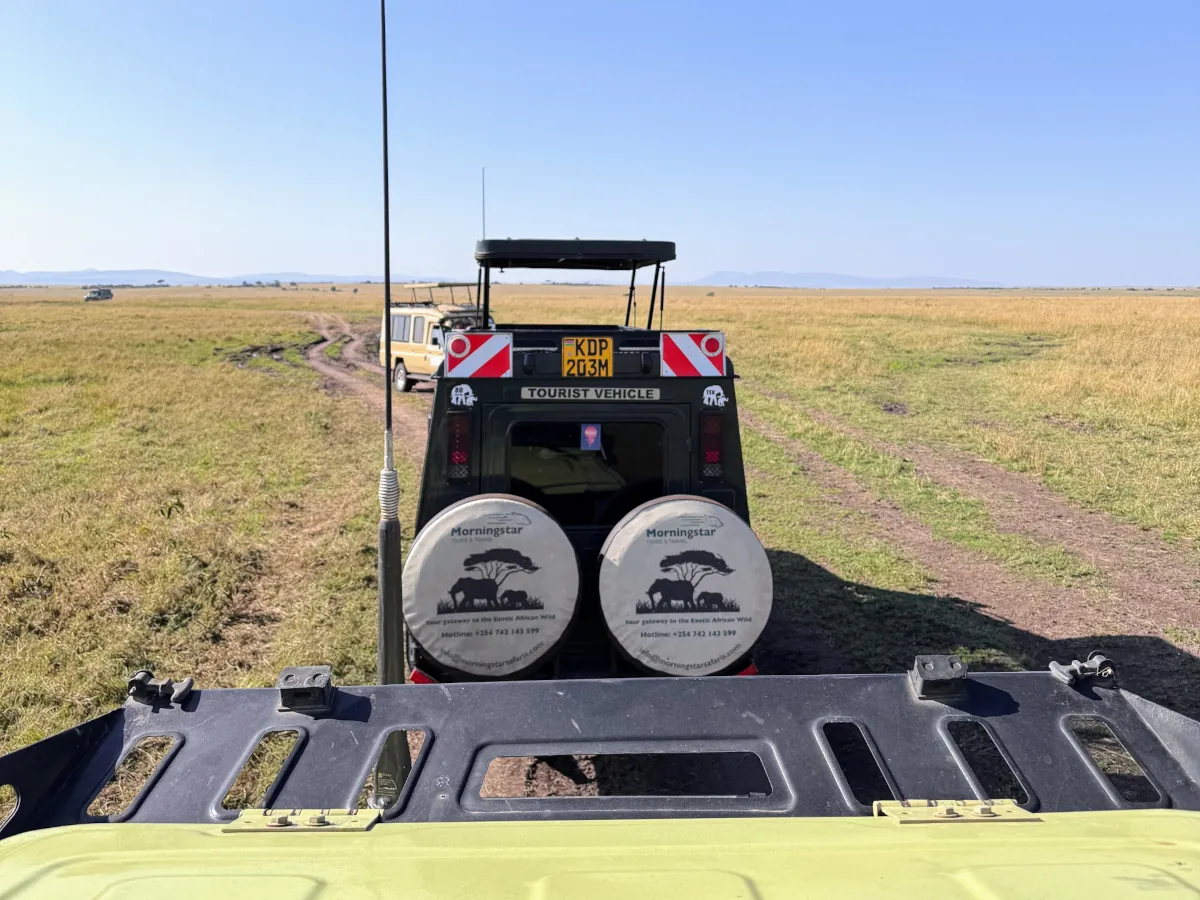
The first safari vehicle we travelled in
Our travel consultant, Dennis, was fantastic. He responded quickly and patiently answered all our questions.
Payment and cancelation policy
We paid 40% upfront to secure bookings. Even booking in February for an August trip, two of our preferred lodges were already unavailable, so we had to choose alternatives. The final 60% was paid two weeks before departure.
The payment was made via Pesapal, and we chose a credit card. I was comfortable as Pesapal is a common payment method in Kenya.
As we booked more than five months in advance and we had traumas in previous travels, one thing that was important for us was to know the cancellation policy. We never plan to cancel, but unexpected things can happen.
Upon asking, Dennis sent it to us. This was the cancellation policy at the time (February 2025).
- 10% Deposit is non-refundable
- Between 60 and 35 days prior to the date of stay, 30% of the total cost will be charged.
- Between 34 and 22 days prior to the date of stay, 50% of the total cost will be charged.
- Between 21 days and a no-show, 100% of the total cost will be charged.
I would recommend asking for an updated version before booking it.
How we picked the parks
Some parks, like the Masai Mara, were obvious choices. Others, like Lake Nakuru and Tarangire, we selected based on specific animals we wanted to see. SafariBookings has wildlife pages for each park that list which animals are common, occasional, or rare, and we used those guides to shape our itinerary.

Example of the wildlife page of Nakuru Lake National Park in SafariBookings
Vaccines
Yellow fever vaccination was the only strict requirement, and we were asked to show proof at border crossings. We also updated boosters for tetanus, polio, and COVID.
We took antimalarial pills, though to our surprise, we didn’t encounter mosquitoes. We also took medication for cholera and traveler’s diarrhoea. Thankfully, we stayed healthy the entire trip by sticking to hotel food and bottled or provided water.
Visas
With Brazilian passports, we needed an eTA for Kenya and a single-entry visa for Tanzania. Even though we crossed borders multiple times, these were sufficient.
The Kenyan eTA process was smooth and fast, with approval in one day. Tanzania’s process was slower and less user-friendly, but it was approved in a few days.
With all the planning behind us, it was finally time to experience the safari itself. Here is what it was like once we were on the ground.
On the Ground
Once the trip began, we quickly learned what daily life on safari was really like. From the lodges to the food, the roads, and the guides, here is what stood out.
Lodges (general impressions)
Most of the places we stayed were mid-range, and overall, they were really good. Clean, comfortable, organized, and with plenty of good food. We even gained a few kilos during the trip. The tented camps became our favorites. They were simple but well run, and even the tents had hot showers.
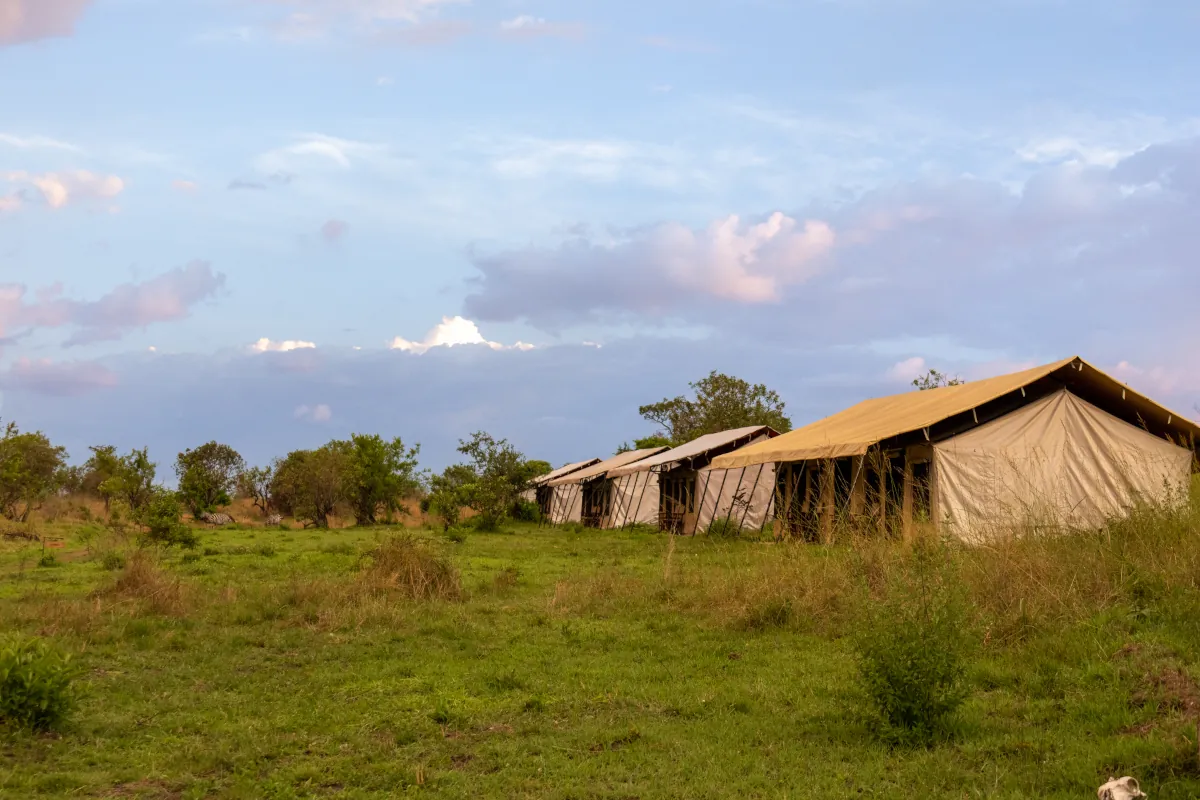
Some of the tents in Gnu Mara Camp
Luxury wasn’t necessary for us. Since we usually arrived between 5 and 6 p.m. and left again between 6 and 7 a.m., the lodge was really just a place to rest, eat, and recharge. Mid-range stays felt like the right balance.
Some details stuck with us. At nearly every check-in, we were given warm towels. The first time, we had no idea what to do with them, so we just ignored them. Later, we watched others wiping their faces and hands, and from then on it became part of the ritual.
Another common experience was the scripted welcome speech. Staff often recited it in a robotic, emotionless way, pausing if you weren’t looking directly at them. The first time it felt polite, but after hearing it two or three times in different lodges, especially after a long day on rough roads, it became tiresome.
They also tended to over-explain. When showing us the room, staff would go through things like how to switch on lights or use the shower. It’s harmless but unnecessary, and when you’re changing hotels almost every day, the repetition can be frustrating.
The last thing that stood out was the amount of attention. Staff wanted to hear about our day and checked in often, which some travelers might appreciate. For us, there were times when we just wanted to eat quietly after hours in the car. Their friendliness was genuine, but it sometimes felt like too much.
We’ll talk about the specific lodges when covering each park.
Food in general
Friends often asked us how the food was. The answer is that it was very international. Since we only ate at lodges, there was nothing shocking or unusual. Some offered one or two local dishes, but overall, the menus were similar to what you’d find in Canada or the US. Lamb was served much more often than we were used to, and it was common across lodges.
Roads and travel between parks
Roads were generally rough. Many main routes between parks were unpaved and very bumpy, especially the stretch leading to the Masai Mara and across to Ngorongoro. These transfers could be exhausting. My wife became motion sick almost every day after the third day, so bring medication if you are prone to it.
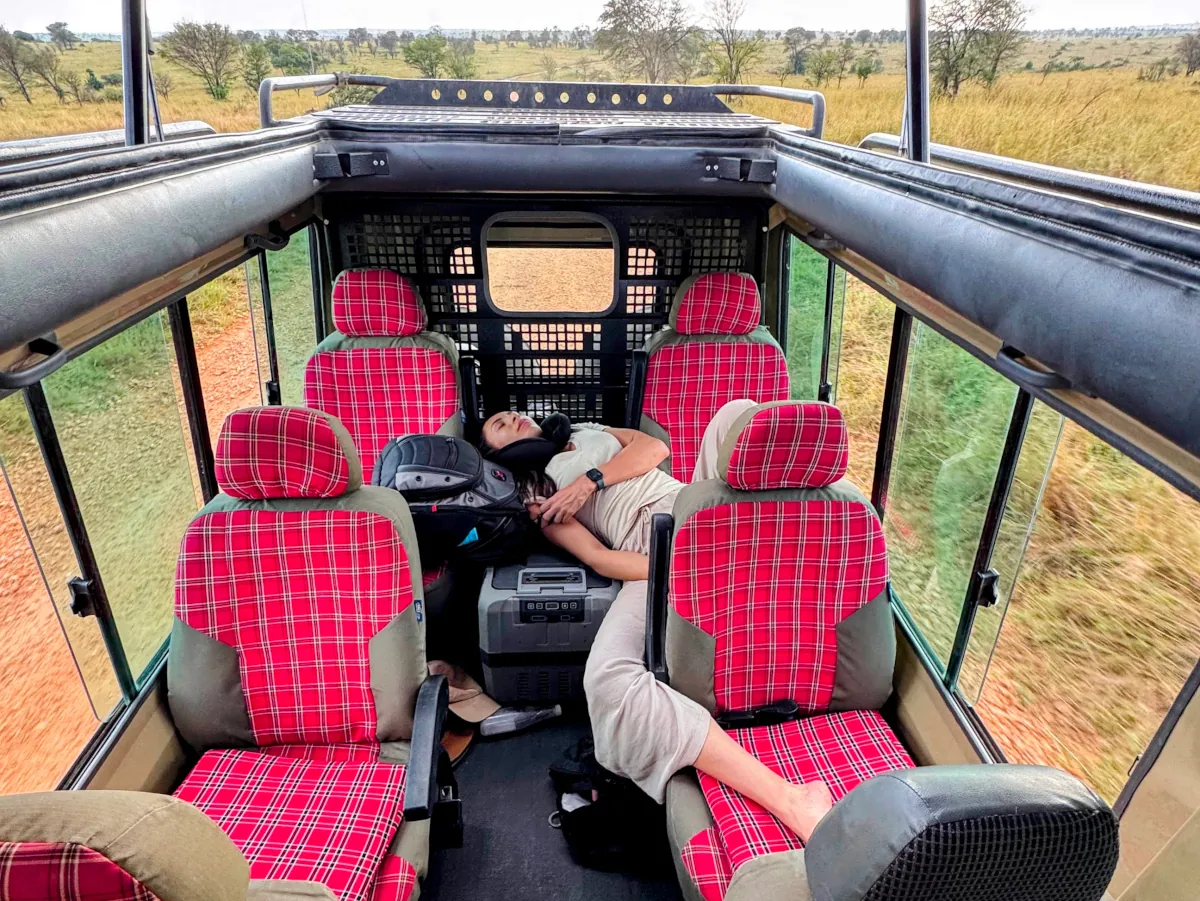
May feeling motion sick and trying to get better
Still, the drives provided memorable moments. Kids often waved as our vehicle passed, and crossing villages gave us a glimpse into local life. We saw people carrying water, women washing clothes in rivers, and families living in very basic houses. It was a humbling reminder of how privileged we are.
Our drivers/guides
Since our route took us through Kenya, Tanzania, and back to Kenya, we had three different drivers. Each one shaped the trip in their own way, and the difference in personalities was very noticeable.
Rono
Rono was our first driver in Kenya, covering Nairobi, Lake Nakuru, and the Masai Mara. He was excellent and immediately made us feel that we were in good hands. From the start he asked about our goals and did everything possible to deliver on them. He had a sharp eye for spotting animals and positioned the car perfectly for photos. When I mentioned I was interested in birds, he made a point of pointing out many species that we would never have noticed ourselves. Rono was patient, knowledgeable, and engaging, which made our introduction to the safari experience smooth and exciting.
Jackson
Jackson guided us through Tanzania, including the Serengeti, Ngorongoro, and Tarangire. His calm and patient style was a perfect match for the long days in the car. One of the best examples of his dedication was waiting with us for five hours at the Mara River until the wildebeest finally crossed. Many other drivers gave up, but Jackson encouraged us to stay and it paid off with one of the highlights of the entire trip. His car was spotless every morning and he drove carefully even on rough, tiring roads. He also shared stories from his years of guiding, which gave us a deeper appreciation of the parks and the challenges guides face.
Masila
Masila was our last driver, covering Amboseli and the return to Nairobi. Unfortunately, the experience with him was not as good. The car had an unpleasant smell each morning, similar to marijuana, although it usually went away after the car moved for a few minutes. He didn’t put much effort into finding animals or following radio calls. While he was punctual and always respected departure times, his driving back to Nairobi was reckless and made us feel unsafe. After having such excellent guiding with Rono and Jackson, the contrast was clear. He got us where we needed to be, but without the same level of care or attention that we had become used to.
Safari vehicles
All three vehicles had the essentials: pop-up roofs for viewing and photography, comfortable space for two people, and outlets to charge devices. Each one also carried plenty of water. Still, the small details in each vehicle made a big difference when spending up to twelve hours a day inside.
Rono’s vehicle
Rono’s car was by far the best of the three. The main highlight was the first-row window, which slid down completely so you could lean out comfortably for photos or simply enjoy the breeze. The seats reclined, which made long transfers much easier. Another thoughtful detail was the storage pockets in front of the seats, which were perfect for lenses, glasses, water bottles, and other small items. There was also a mini fridge stocked with water, although it wasn’t always running. Overall, the combination of comfort and practicality made this our favorite vehicle.
Jackson’s vehicle
Jackson’s car was slightly less convenient. The first-row windows only opened halfway sideways, which made it harder to lean out for photography. The seats also did not recline, which became uncomfortable on longer drives between parks. The front panel was wooden and had some space for storage, but not as much as Rono’s. On the positive side, the mini fridge was always on, so the water stayed perfectly chilled, which was refreshing on hot days. Jackson also kept the car spotless and organized, which made a big difference when climbing in and out every day.
Masila’s vehicle
Masila’s car had the same sideways-opening windows as Jackson’s in the front, but the second-row windows opened wider, which actually gave better viewing angles from there. The seats reclined, which helped during long stretches, but the front seat pockets were filled with tools and even broken glass, making them not very useful. There was no mini fridge in this vehicle, so water was just kept in the pockets. Combined with the unpleasant smell each morning, the car felt less well maintained than the others.
Park by Park Experiences
Each park had its own character, animals, and surprises. Here is our Kenya and Tanzania safari itinerary, park by park.
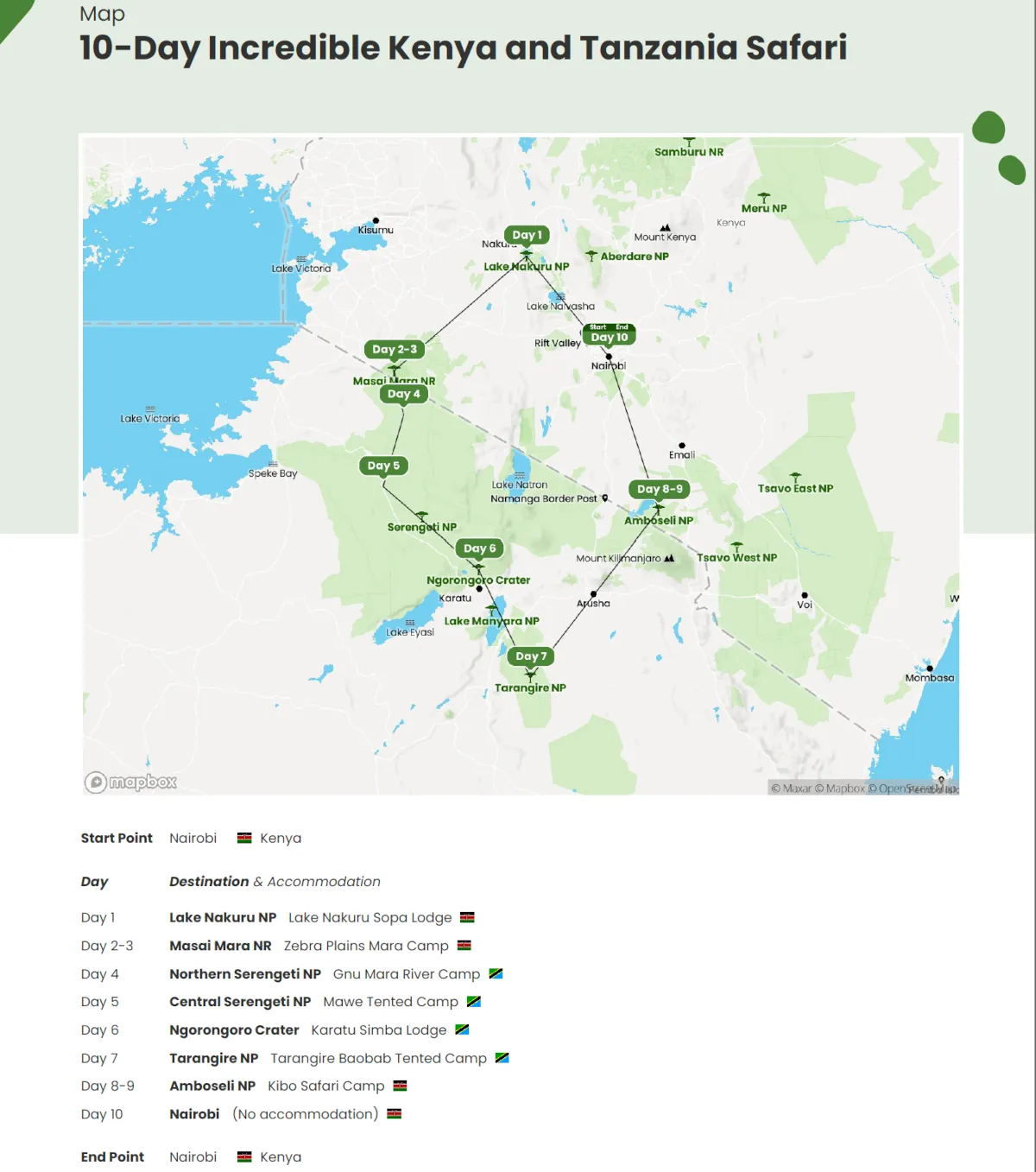
The summary of the parks and days of our Safari trip
Lake Nakuru National Park
Lake Nakuru is known for its dramatic scenery, surrounded by acacia forests and escarpments, and its rich wildlife. It is one of the best places in Kenya to see rhinos, both white and black, and is also famous for large flocks of flamingos. The park gave us a very dense first safari experience, with animals seemingly everywhere.
Getting there
It took about 3 to 4 hours from Nairobi. The drive gave us a glimpse of rural Kenya, with shepherds herding goats and cows, people working fields by hand, and many small villages. It reminded me of rural Brazil in the late 90s and early 2000s, especially the manual field work.
Animals
Before even reaching the lodge, we saw zebras, giraffes, impalas, and a rhino resting under a tree. During the game drive, we saw more than 200 zebras, giraffes, buffaloes, about 15 white rhinos, warthogs, impalas, flamingos, pelicans, hyenas, and many bird species. Unfortunately, we did not see any black rhinos.
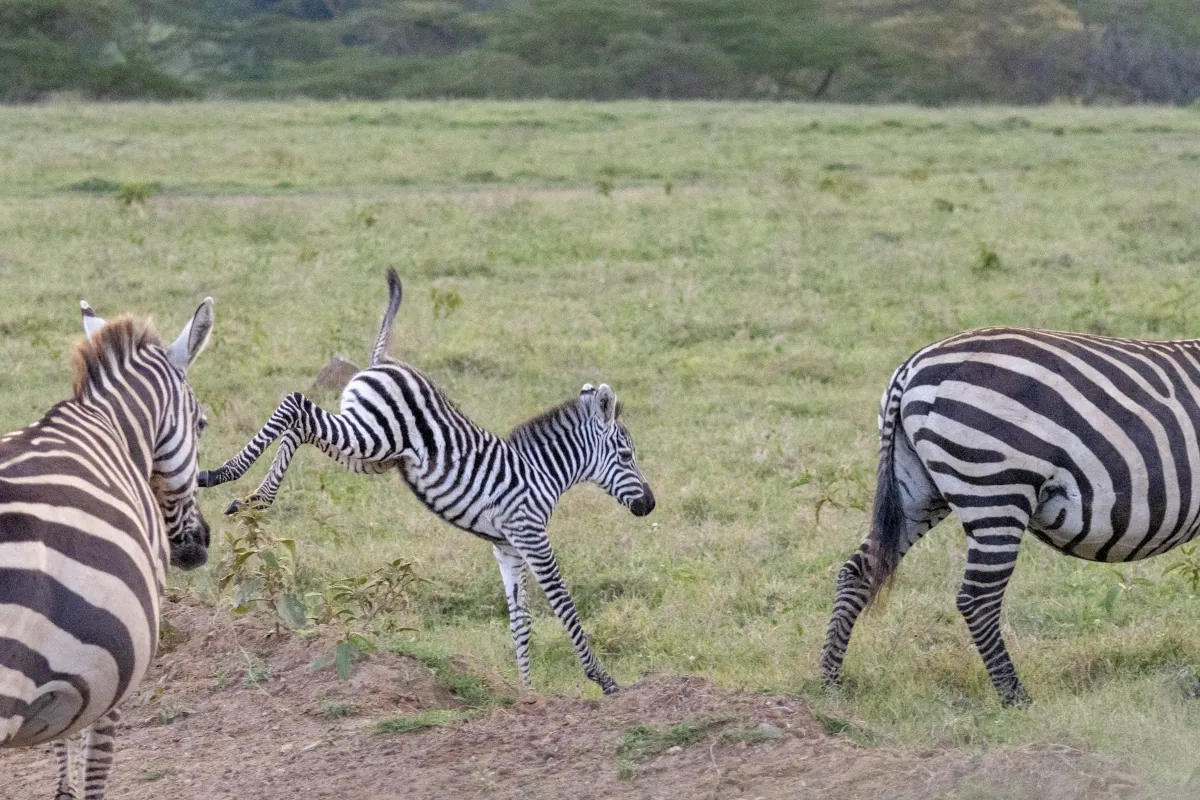
A playful zebra foal jumping in Lake Nakuru. See more on my Instagram or Download it in Adobe Stock
Nakuru is so full of wildlife that it can feel like you have seen it all in just one day. My advice is to take time not only to spot animals but also to enjoy the unique mix of lake, birds, and acacia forest.
Lake Nakuru Sopa Lodge
We stayed here for one night, and it was the perfect introduction to the safari experience. The setting is beautiful, with views of Lake Nakuru from the main building and even from some of the rooms. The buffet lunch and dinner were surprisingly good; we even went back for seconds, including dessert.

The sunrise view of the Lake Nakuru Sopa Lodge restaurant
The room itself was spacious and comfortable, but it was located down a steep path from the main area, which meant a lot of walking back and forth. After a long day of game drives, the uphill walk felt tiring. Still, the warm welcome and the peaceful views over the lake made up for it. This is the kind of lodge where you can really soak in the scenery after an exciting day in the park.
Unique experience
Seeing so many rhinos in one day, along with the density of wildlife overall, made it feel like we had already seen everything on our very first day. Nakuru was the only place where we saw rhinos during the entire trip.
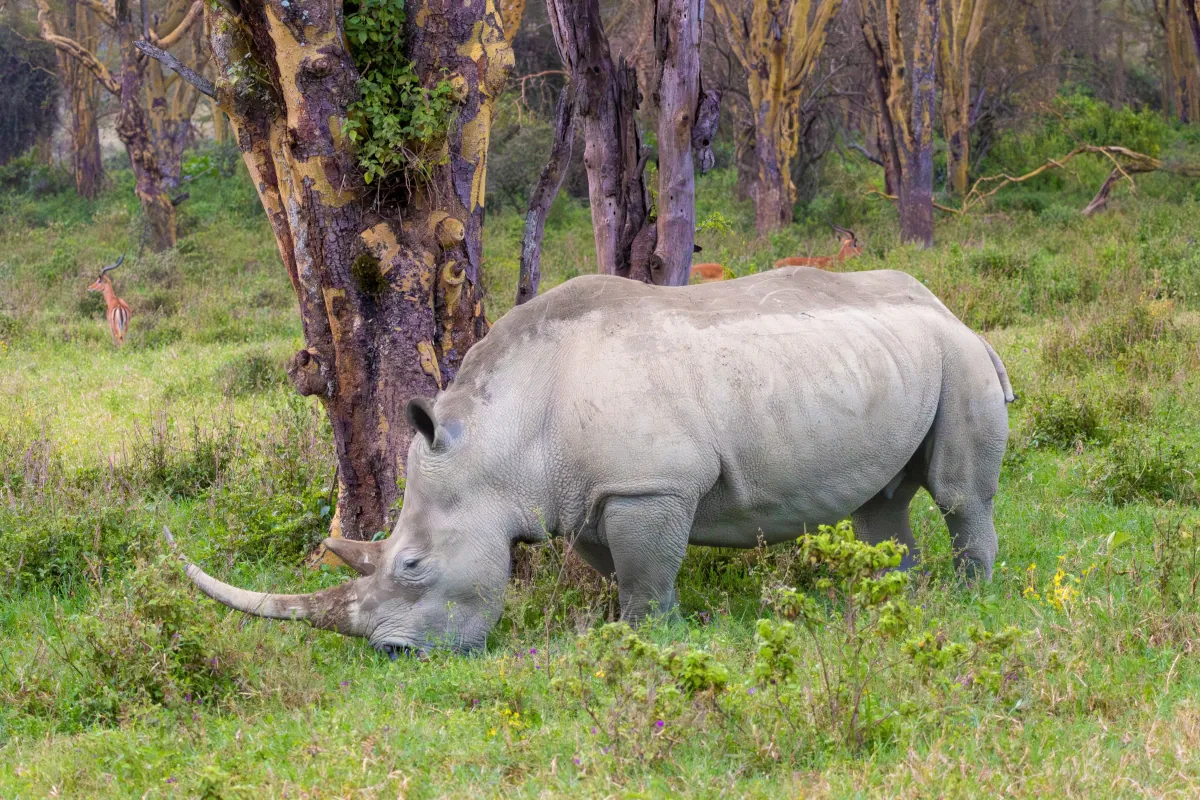
White Rhino grazing in the forest of Nakuru Lake National Park. See more on my Instagram or Download it in Adobe Stock
Masai Mara National Reserve
The Mara is iconic, with vast open plains dotted with acacia trees. It is famous for the Great Migration and its large populations of predators. Compared to Nakuru, the Mara felt wilder, with animals more spread out but encounters more dramatic. Where Nakuru is densely forested, the Mara opens wide into endless savannah.
Getting there
The drive took about six hours from Nakuru. Roads were bumpy and dusty, and we passed through poor towns with very basic facilities. The contrast with the lodges and parks was striking.
Animals
We saw cheetahs, including one with an impala kill, lionesses with cubs, a male lion limping majestically around its pride, leopards (including the well-known Luluca), which we got very close to, elephants with babies, crocodiles, hippos fighting, topis, elands, ostriches, gazelles, hyenas, and a massive herd of wildebeest by the Mara River grazing.
Zebra River Camp (upgrade from Zebra Plains Camp)
Originally, we were booked at Zebra Plains Camp, but upon arrival, we were upgraded to Zebra River Camp, which turned out to be a wonderful surprise. The camp felt luxurious yet still close to nature, with hippos living right in front of our tent.
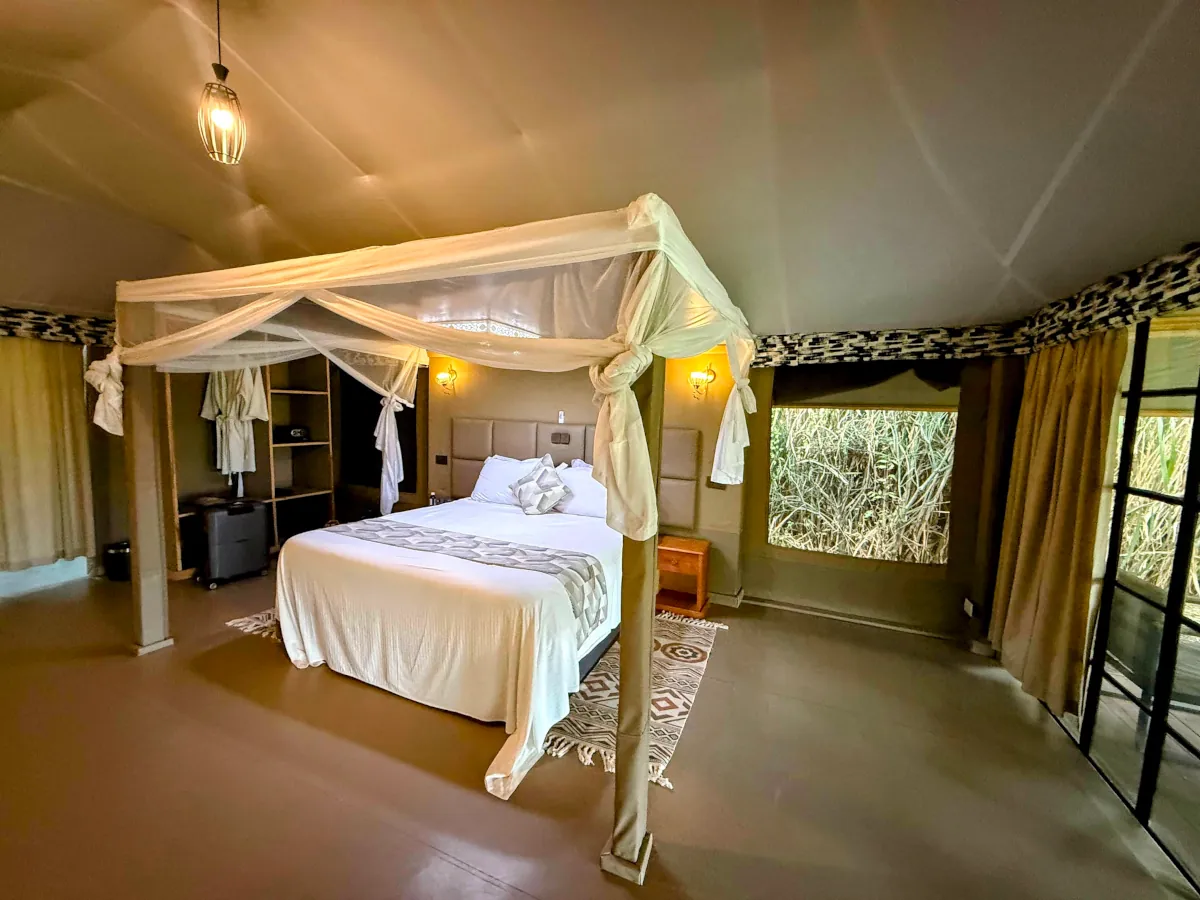
The room at Zebra River Camp
Sitting outside with a beer and watching them move around at dusk was a highlight in itself. The food was excellent: à la carte for lunch and buffet for dinner, with plenty of variety. In the evenings, the fire pit created the perfect spot to unwind and swap stories with other guests.
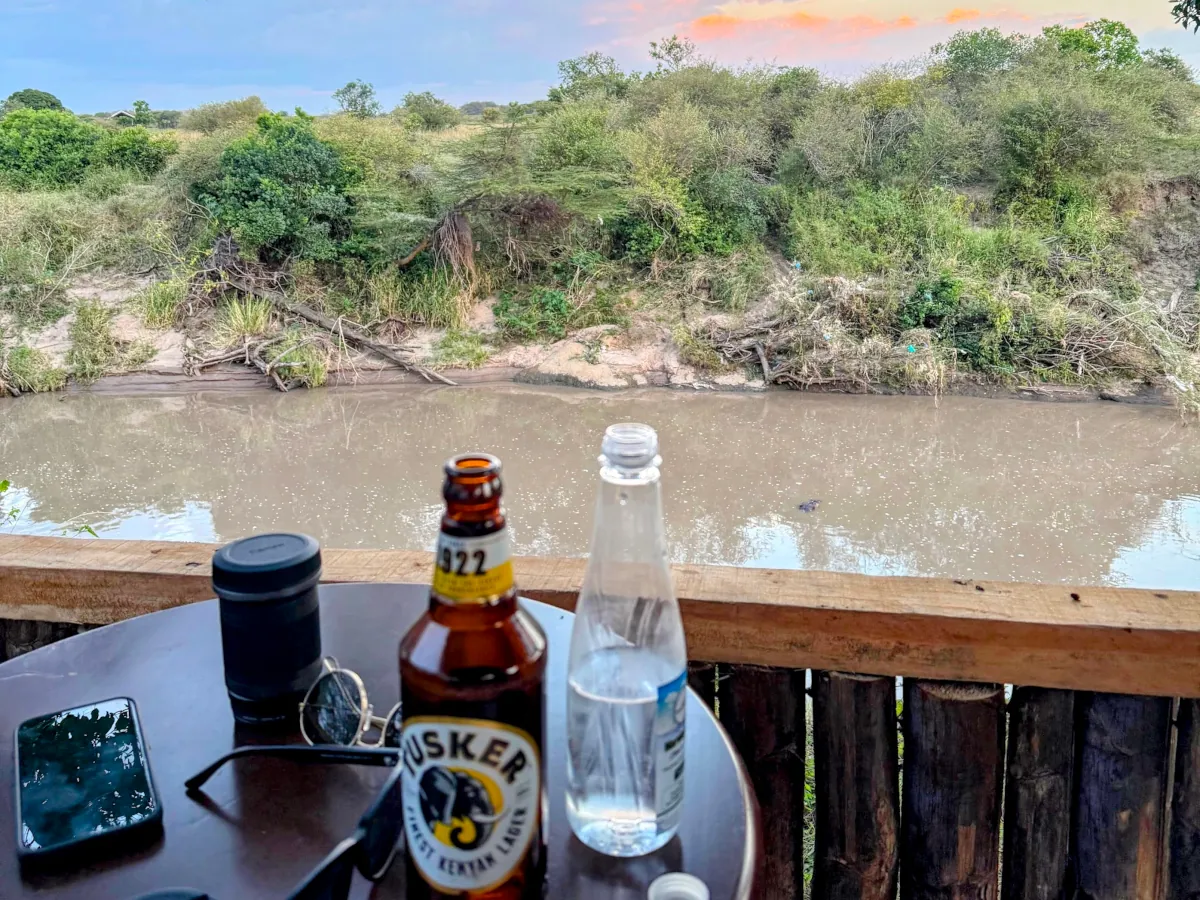
Drinking a beer and watching the hippos Zebra River Camp
The staff were friendly, though one waitress was overly attentive and kept asking questions at every meal, which got a little annoying as we just wanted to have our meals and rest. This waitress was our waitress for all meals in both days. We even tried to sit in the other part of the restaurant to run away, but it didn’t work.
Unique experience
Watching the wildebeest herds at the river and a pride of lions with cubs was unforgettable. Some areas, especially when we found the leopard Luluca, were very crowded with aggressive drivers pushing too close. The Mara was the only park where off-road driving was allowed, which created amazing encounters but also large clusters of vehicles.
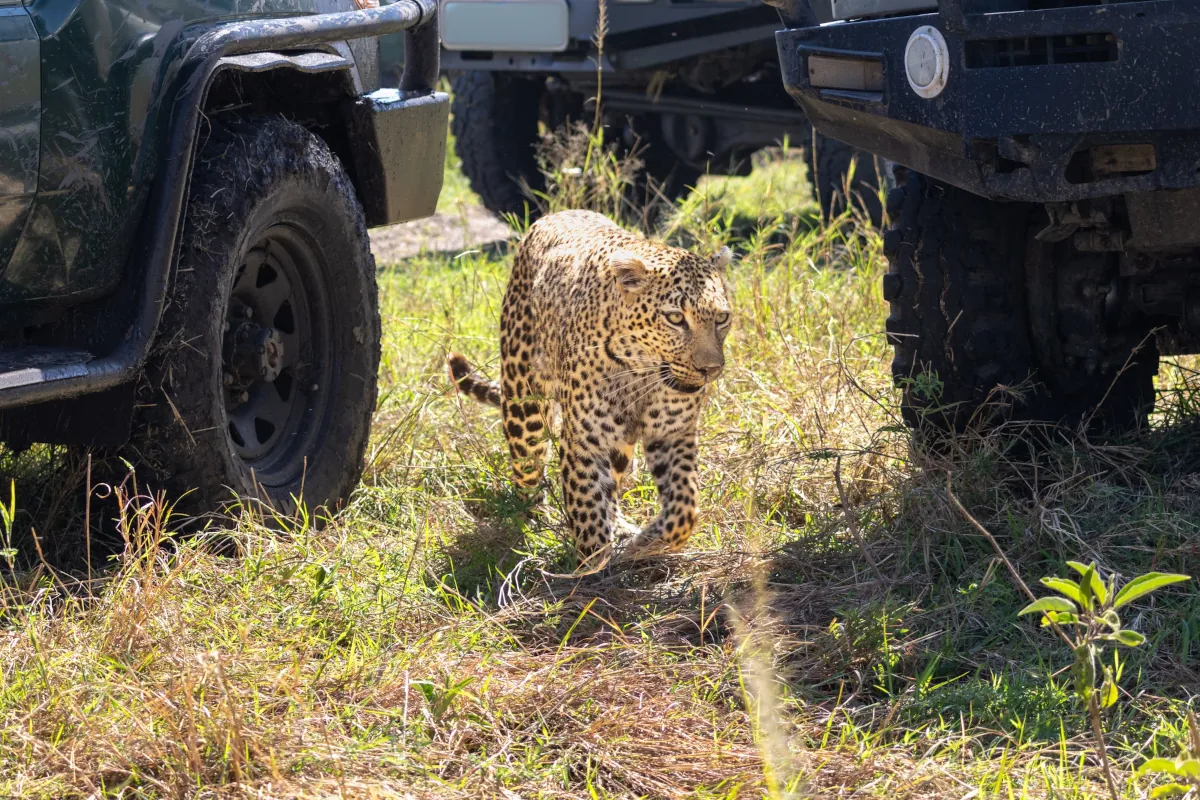
Leopard Luluca walking between safari vehicles in the plains of Masai Mara. See more on my Instagram or Download it in Adobe Stock
Balloon ride
We planned to take a balloon ride to see the migration from the air, but we decided against it the day before. It was expensive at 450 USD each, and the seller did not give us much confidence. In the end, we were glad we skipped it because we saw a large lion pride during the morning drive at the same time we would have been in the air. Being closer to the animals felt far more rewarding.
Northern Serengeti National Park
The northern Serengeti is hillier and greener than the Mara and is centered around the Mara River. It was the place where we most hoped to witness the wildebeest river crossing.
Getting there
It took about 5 to 6 hours, including the Namanga border crossing, which took about an hour. The road after the border was bumpy and tiring, with “African massage” all the way.
Animals
We saw wildebeest waiting by the river but not crossing on the first day, as well as zebras, giraffes, dik-diks, waterbucks, and some elephants.
On the second day, after waiting for five hours, and just two minutes after we had decided to give up, we finally witnessed the wildebeest river crossing. In the image below, you can see the first wildebeest starting to cross the river.

First wildebeest to cross the river. See more on my Instagram or Download it in Adobe Stock
It was one of the highlights of the trip.
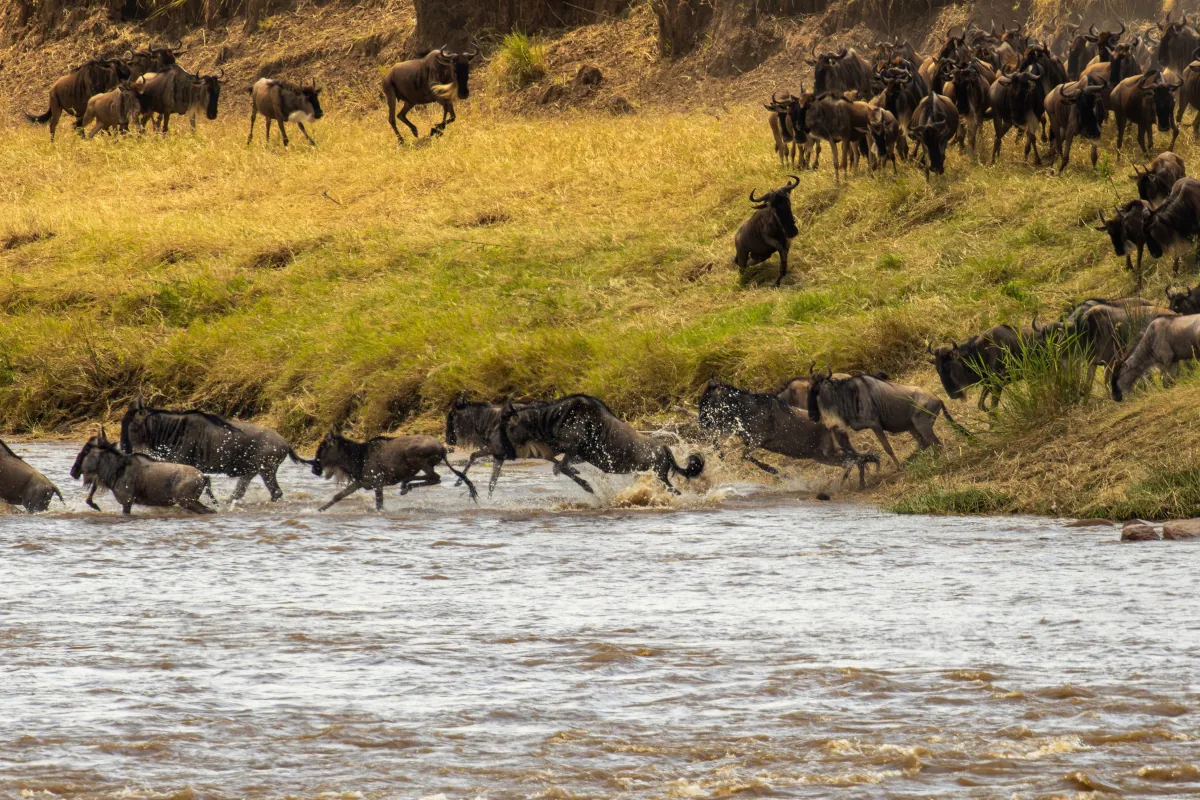
A lot more wildebeest crossing the Mara River. See more on my Instagram or Download it in Adobe Stock
Gnu Mara River Camp
This camp had one of the best locations of our entire safari, just minutes from the Mara River where the wildebeest gather.
We stayed one night and loved the combination of simple comfort and genuine hospitality. The staff were very welcoming, and dinner was one of the first times we had local-style food, which felt like a treat after several buffets.
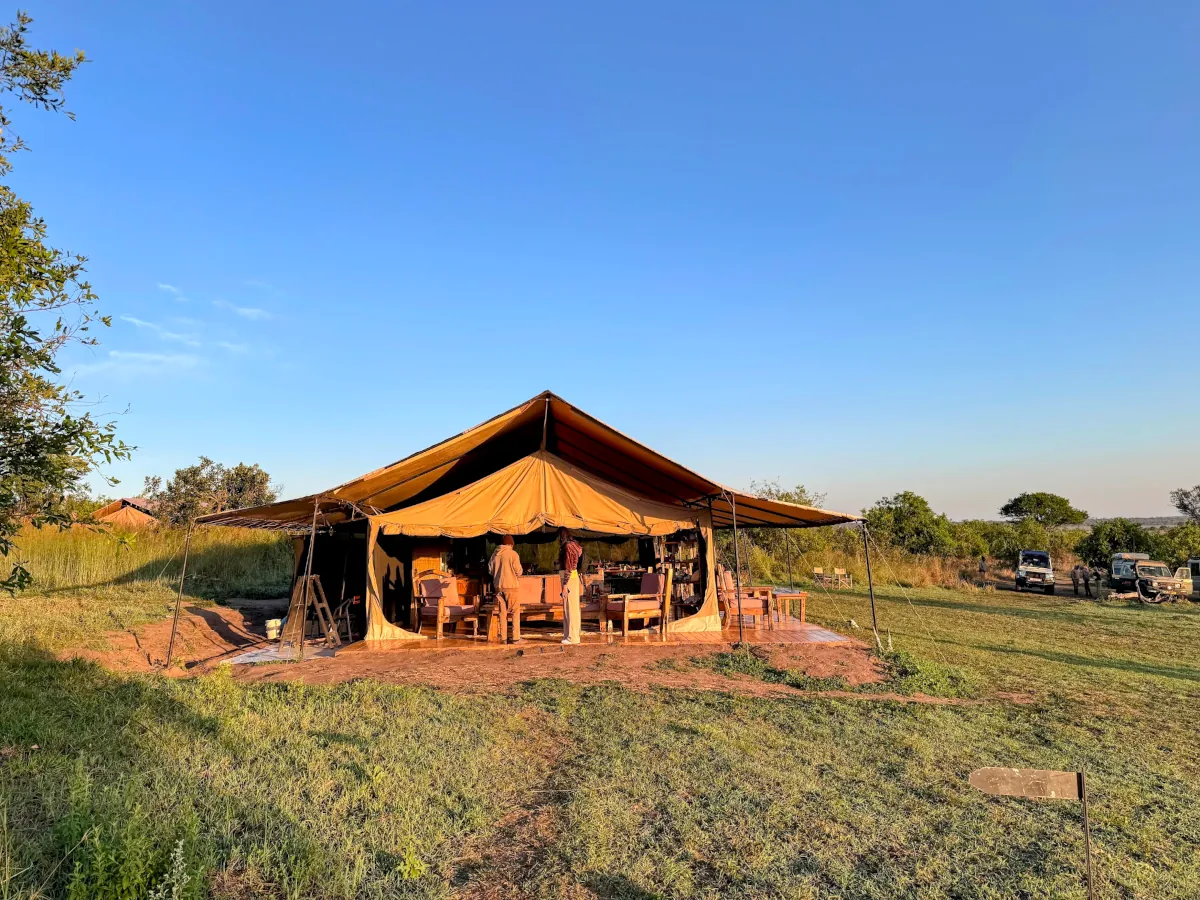
The main tent and restaurant at Gnu Mara River Camp
Our tent was comfortable and well set up, though the journey to get here was long and tiring, with rough, muddy roads that even got us stuck once. Being so close to the action, however, made it all worthwhile.
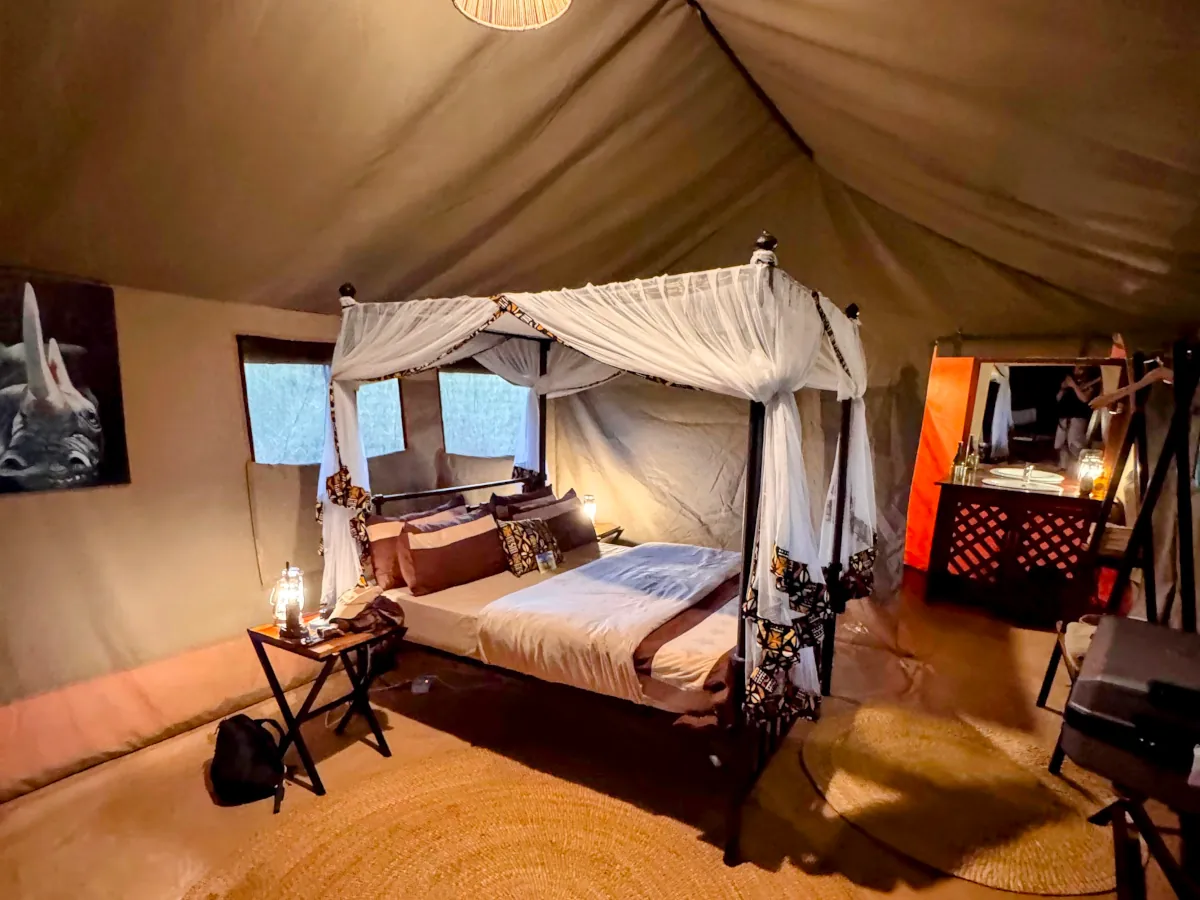
Our room at Gnu Mara River Camp
Sharing stories with the staff, who even knew about Brazil and showed us videos, added a personal touch that made the stay even more special.
Unique experience
The wildebeest crossing itself. Waiting for hours and finally seeing them leap into the river was magical. The tension built each time one approached the water. Many vehicles were waiting for the same thing, but the excitement was shared by all.
Central Serengeti National Park
The classic Serengeti landscape of endless plains with acacia trees. Central Serengeti is packed with wildlife and feels like The Lion King brought to life.
Getting there
It was part of a game-drive transfer from the Northern Serengeti, so the entire day felt like a safari. The roads were extremely dusty, the dustiest of the trip.
Animals
We saw cheetahs with cubs, a male leopard eating a wildebeest in a sausage tree, lionesses with six cubs, golden jackals, hyenas, hartebeests, sable cats, and large herds of wildebeest and zebras.
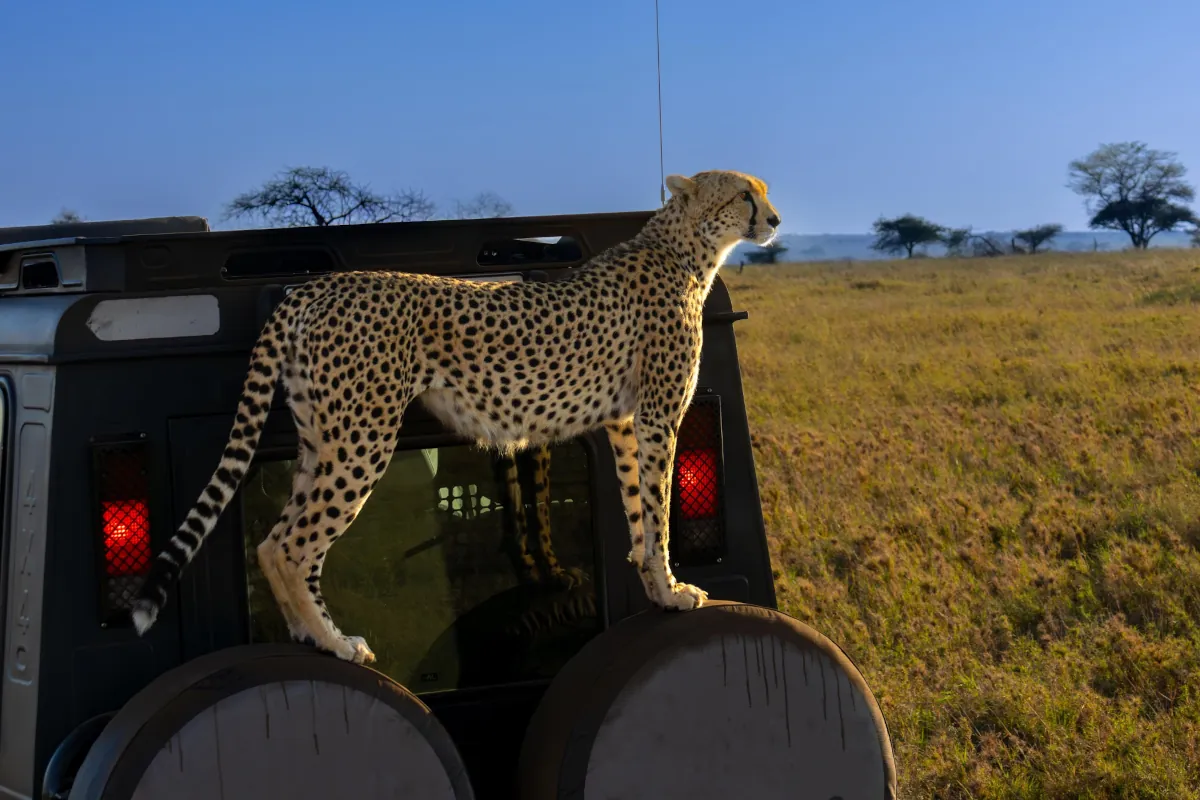
Cheetah standing in the spare tires of a safari vehicle in Central Serengeti. See more on my Instagram or Download it in Adobe Stock
The leopard carrying a wildebeest into a sausage tree and feeding there was especially fascinating. It was unusual and impressive to see him so comfortable in that spot.

Leopard eating a wildebeest in a sausage tree in Central Serengeti. See more on my Instagram or Download it in Adobe Stock
Mawe Tented Camp
Mawe Camp struck a great balance between comfort and immersion in the wild. Even though it’s a permanent camp, it has the feel of a tented setup, with canvas walls and an open connection to the sounds of the bush. Very similar to Gnu as they are from the same owner.
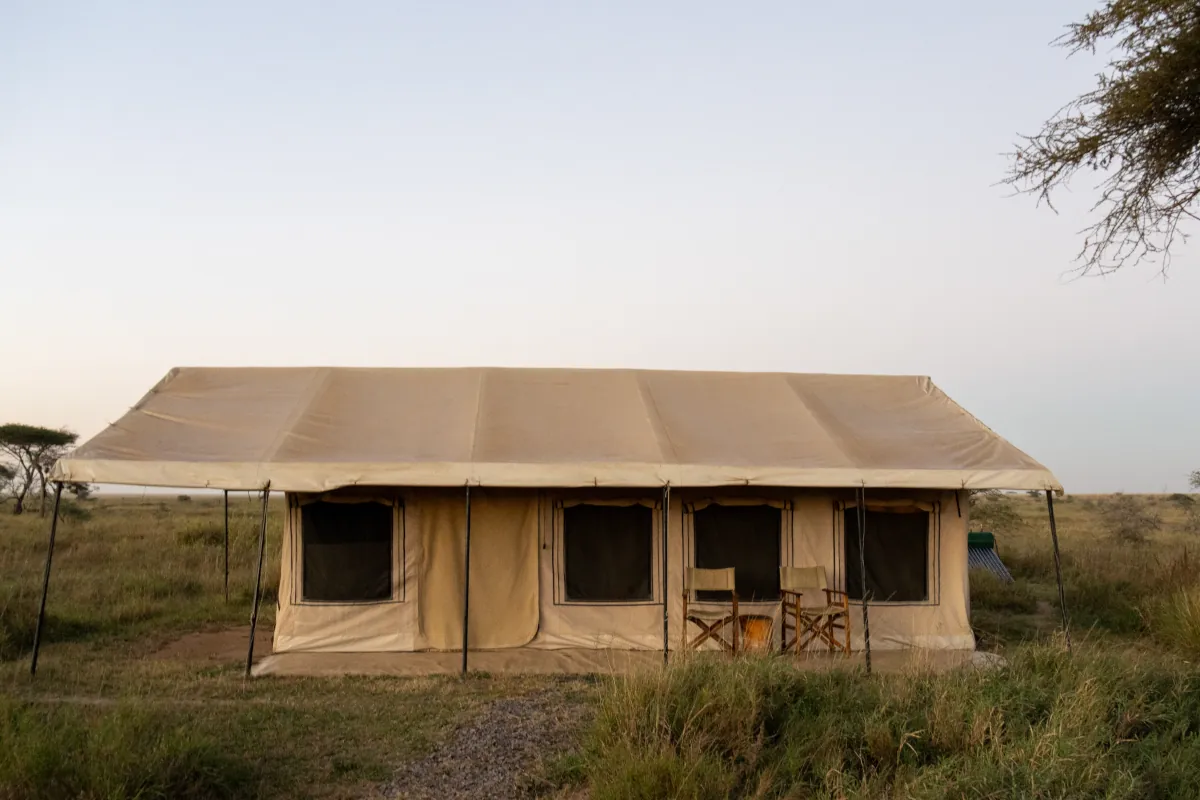
Our tent at Mawe Tented Camp
The sunrise and sunset views were incredible, and we loved sitting around the fire pit in the evening with a drink in hand. Food was tasty and plentiful, and the staff attentive without being overbearing.
Compared to some of the other places, this camp had fewer frills, but we didn’t feel like anything was missing. It offered exactly what you’d hope for in the Serengeti: comfort, atmosphere, and the sense of being right in the middle of nature.
Unique experience
Watching a leopard feeding in a tree and seeing the iconic kopjes that looked like Pride Rock from The Lion King.
Ngorongoro Crater
A unique ecosystem inside a massive volcanic caldera. The concentration of animals was incredible, all living within the crater walls. The high density of zebras and wildebeest, however, felt a bit repetitive after what we had already seen in earlier parks.
Getting there
It was about 3 to 4 hours from the Central Serengeti. The descent into the crater was breathtaking. The roads leading there were extremely dusty, but after leaving the crater, they became paved.
Animals
We saw zebras, wildebeest, flamingos, crowned cranes, hippos, including a baby, elephants, and a high concentration of other grazers.
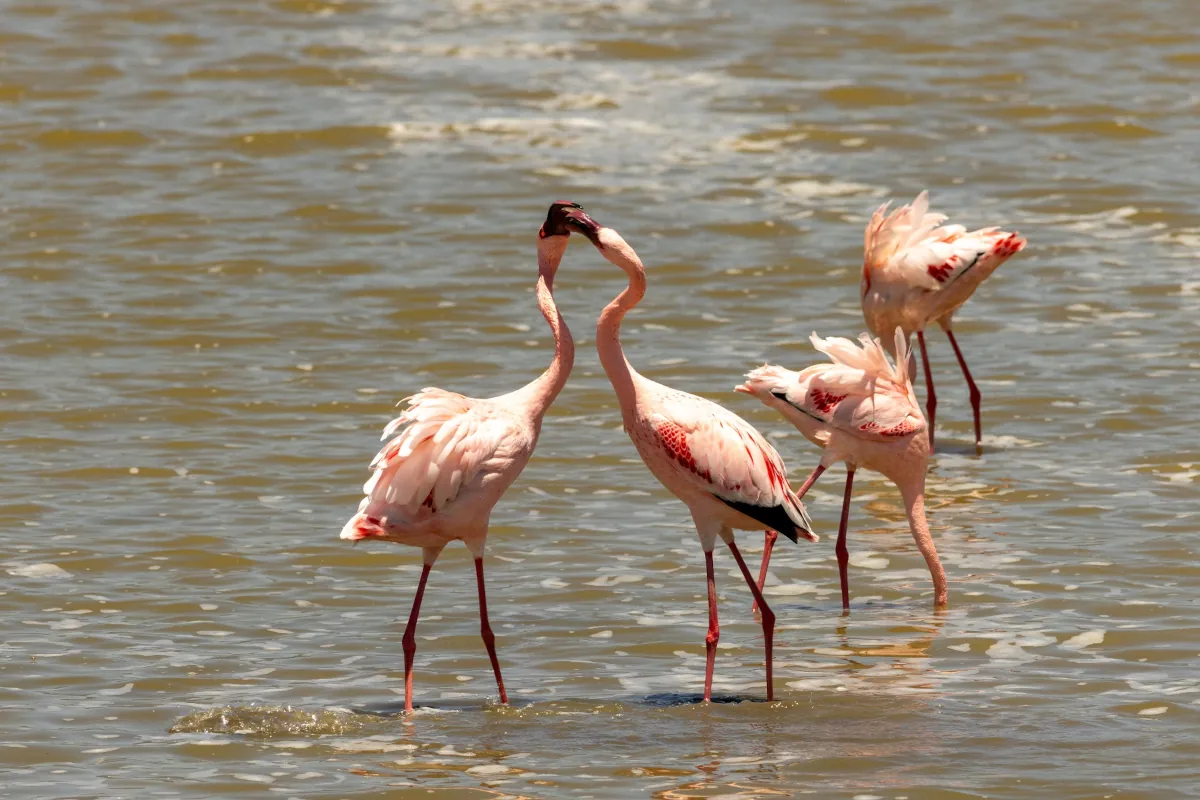
Flamingos fighting in the lake in Ngorongoro Crater. See more on my Instagram or Download it in Adobe Stock
Karatu Simba Lodge
Karatu Simba Lodge was a welcome stop after the dust and bumpiness of the Serengeti roads.
Set outside the Ngorongoro Crater, it had a peaceful, laid-back feel with a mix of tented and fixed structures. The pool was a nice touch, and we enjoyed a quiet afternoon around it before dinner.
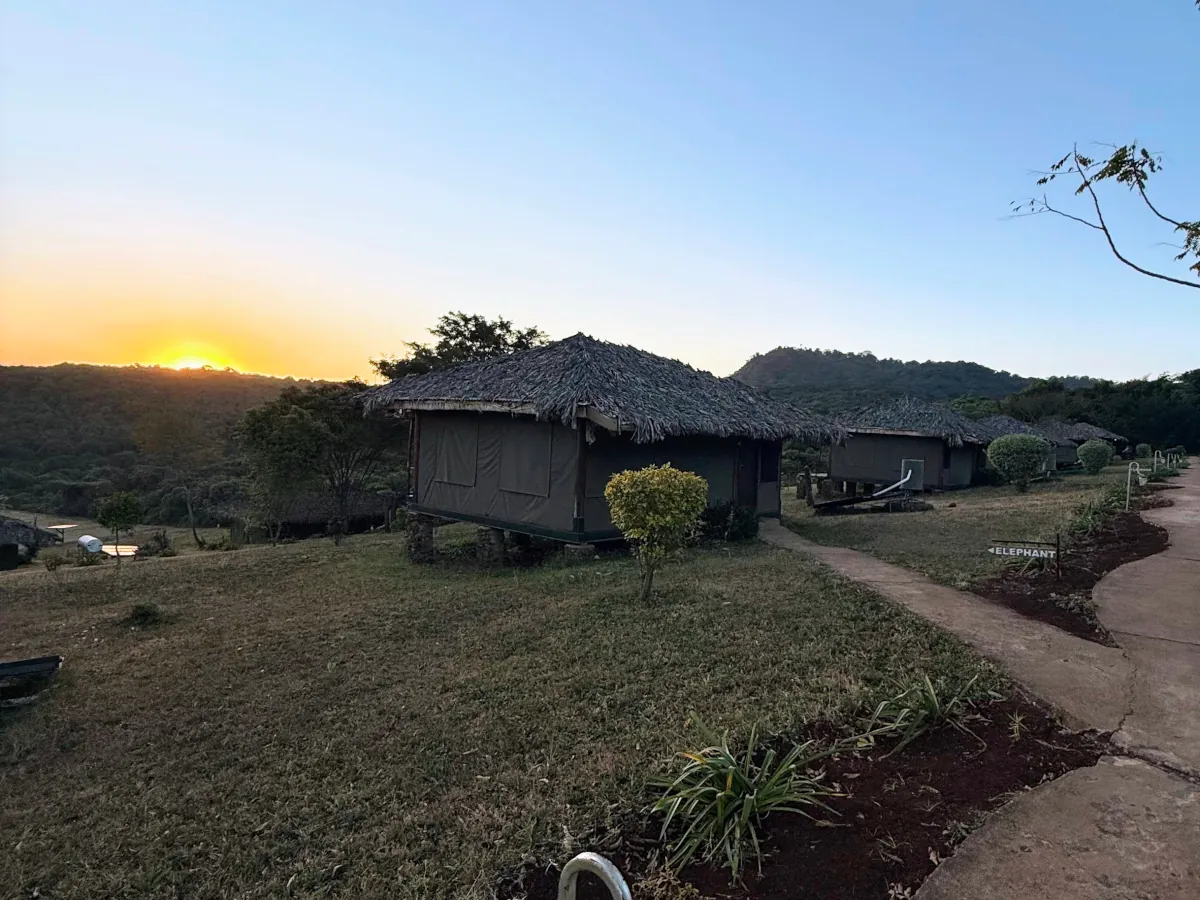
Karatu Simba Lodge tents
The food stood out, especially the beef stew with beer and some flavorful okra dishes that felt more local and less generic than many buffets we had before.
Our tent-room was spacious and comfortable. The fire pit close to the pool after dinner, and the overall tranquility made this lodge a cozy and restorative stop.
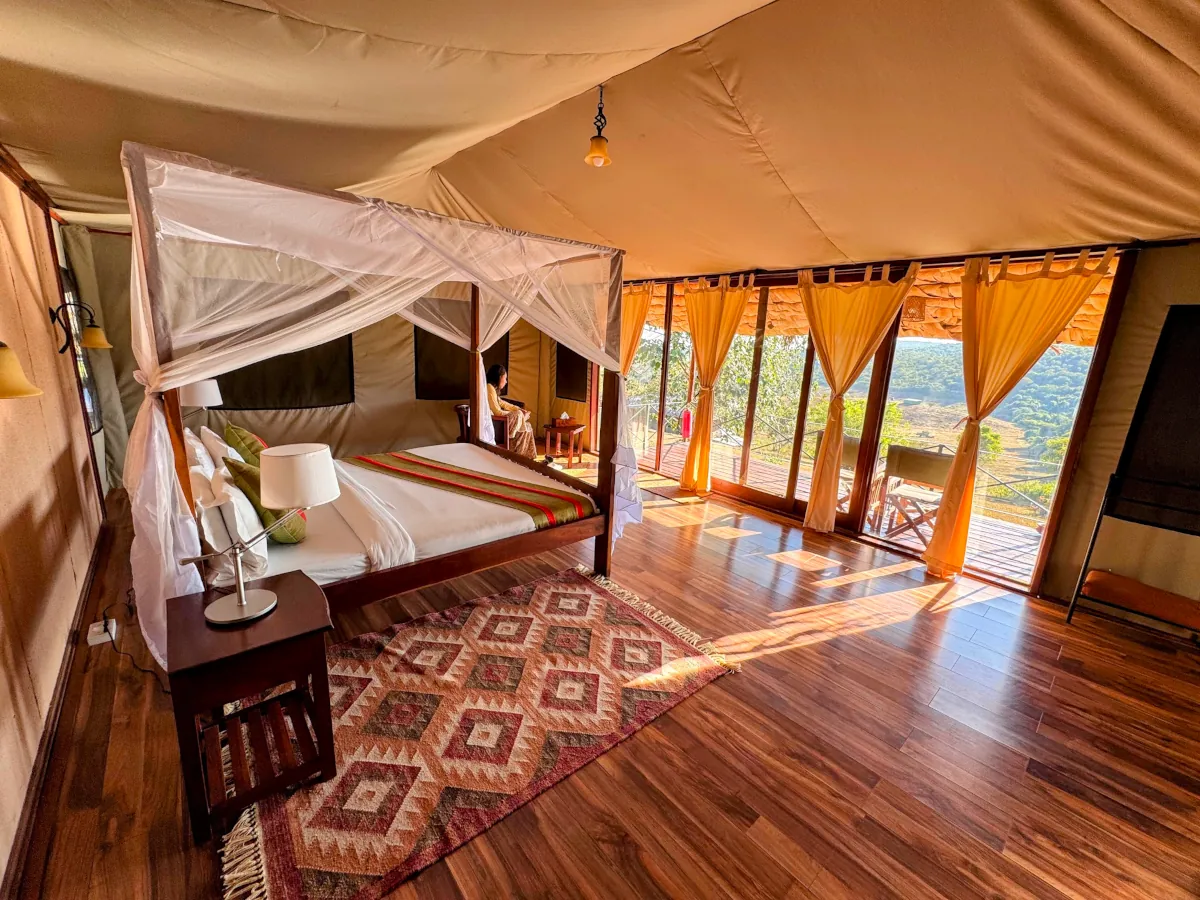
Our tent in Karatu Simba Lodge
Unique experience
The scenery of the crater itself, being inside a volcano surrounded by wildlife, was the highlight. On the wildlife side, nothing was very new, since we had already seen most species elsewhere.
A picnic by a lake with hippos and a baby was a special moment.
Tarangire National Park
Known for its giant baobab trees and elephants, Tarangire felt different from the previous parks and gave us a more intimate atmosphere. Arriving late in the morning meant most of the day was spent in the park.
Getting there
It was about 2 hours from Ngorongoro. The roads were decent compared to those in the Serengeti.
Animals
We saw many elephants, giraffes, zebras, lions, wildebeest, hippos, baboons, vervet monkeys, and birds like the red-billed hornbill, which is Zazu from The Lion King.
At the picnic site, monkeys were quick to steal food. One grabbed Jackson’s banana, and another tried to take May’s juice.
We stayed by the river watching elephants for a while. Seeing their natural behavior was wonderful. We even watched elephants trying to mate and a baby drinking milk.
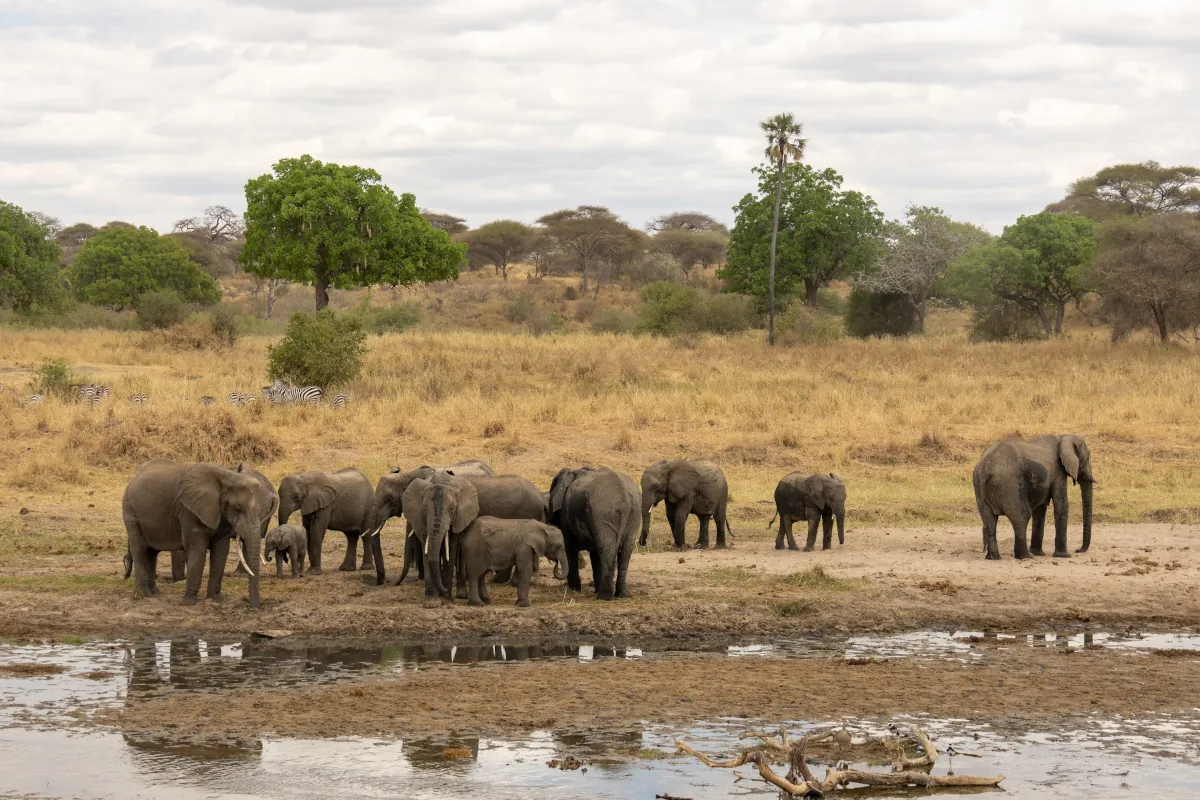
Elephant herd drinking water in Tarangire National Park. See more on my Instagram or Download it in Adobe Stock
Baobab Tented Camp
Inside Tarangire National Park, this camp had a more rustic and authentic atmosphere compared to some of the Serengeti camps, but it felt perfectly in tune with the setting. Our tent was comfortable and close enough to the action that we saw animals nearby, including an elephant close to camp in the evening.

Inside the tent of the Baobab Tented Camp
The food was simple but good, and dinner by the campfire under the stars was unforgettable. While it didn’t have the same level of amenities as some of the other lodges, what it offered instead was intimacy and the thrill of being right in the park.
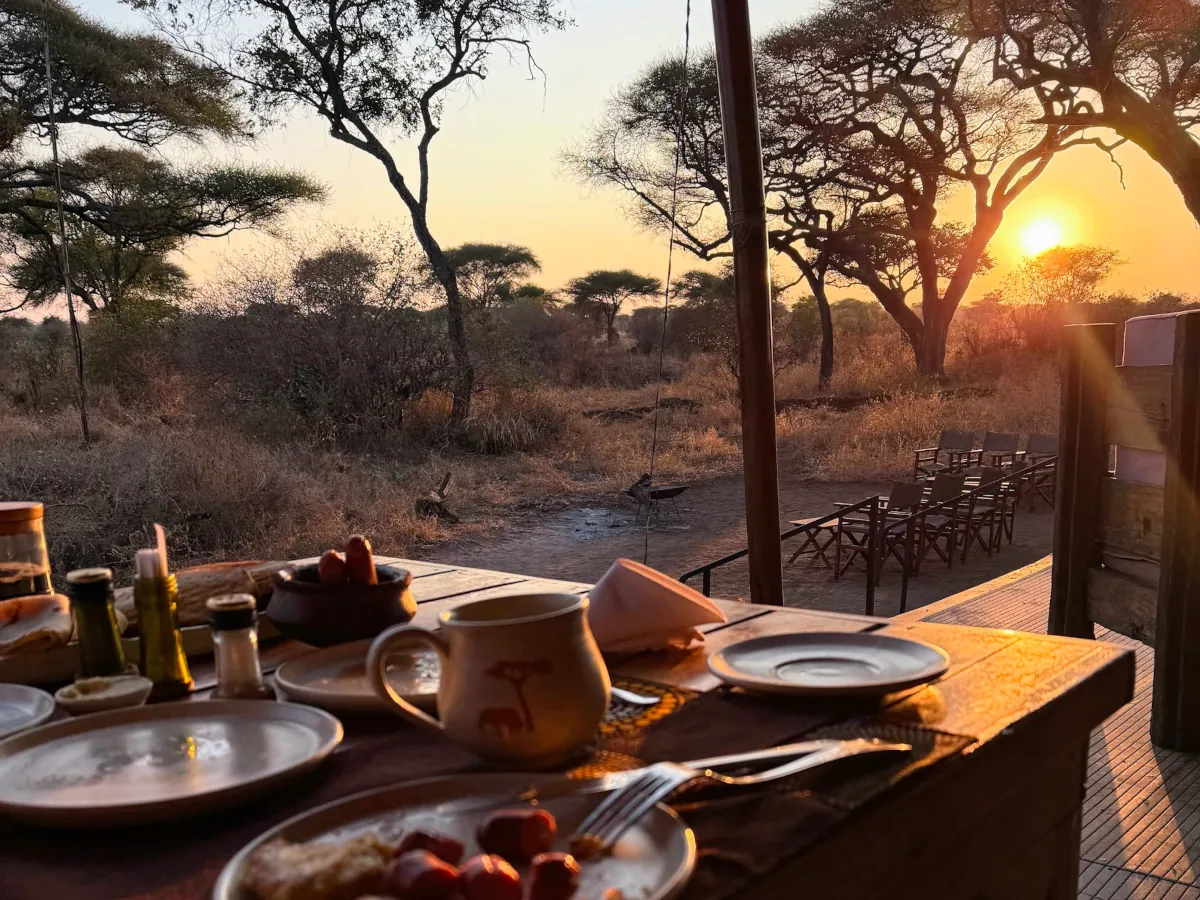
Breakfast at Baobab Tented Camp
Watching the sunset from our tent and then sitting by the fire with a glass of wine made for a perfect ending to the day.
Unique experience
The riverside picnic and afternoon game drive gave us some of the most memorable elephant encounters. Watching elephants, giraffes, and zebras drinking together at the river, while monkeys stole food during our picnic, was unforgettable.
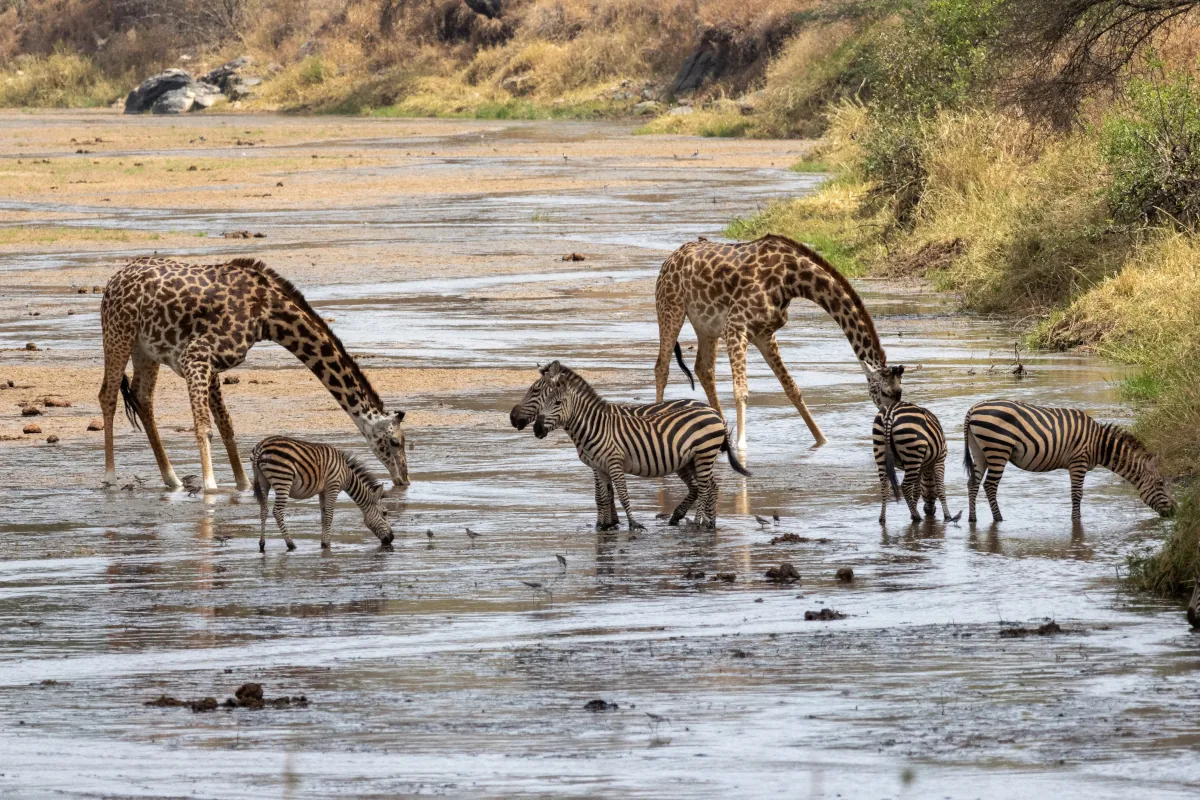
Animals drinking water in Tarangire National Park. See more on my Instagram or Download it in Adobe Stock
Amboseli National Park
Amboseli is famous for its elephants and views of Mount Kilimanjaro. While we did not see the mountain due to clouds, even staying for two nights, the park still delivered unique sights with swamps and mirages.
Getting there
It was about 5 hours from Tarangire, crossing the Kenya–Tanzania border. The roads after the border were rough, with sand and “massage roads.”
Animals
We saw elephants, including babies learning to use their trunks, as well as buffaloes, wildebeest, hippos outside the water, hyenas, lions, cheetahs that were mostly hidden, zebras, giraffes, and many birds such as the secretary bird and saddle-billed stork.
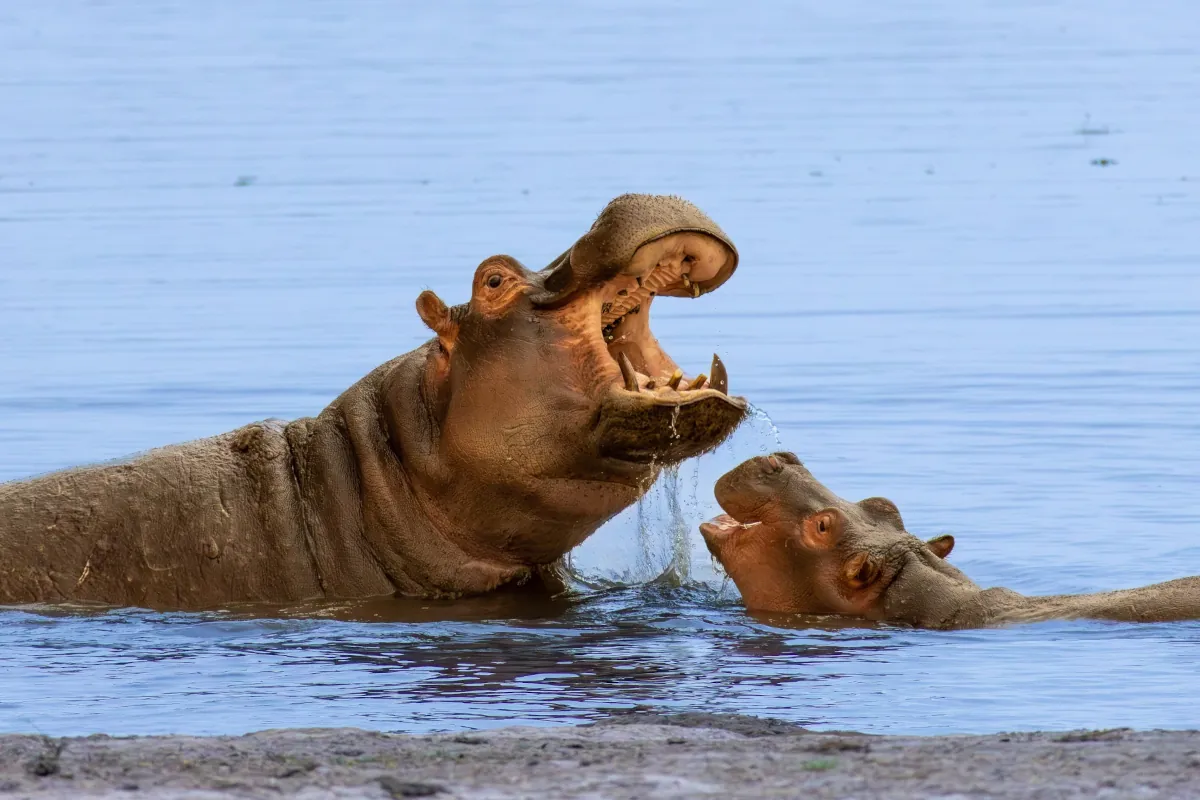
Hippos playing in the lake in Amboseli National Park. See more on my Instagram or Download it in Adobe Stock
Kibo Safari Camp
Kibo Safari Camp was the busiest lodge of our trip, with a much larger number of guests than anywhere else we stayed. The tents were big and very comfortable, though more like semi-permanent structures than true tents, which made it feel less intimate and a little more like a farm hotel.

Outside of the tent of Kibo Safari Camp
The food variety was very good, with plenty of options at every meal, and one evening we got to watch a cultural dance performance that added some extra charm.
Sunsets weren’t as impressive here due to the location and cloudy skies, but we had one of our most memorable breakfasts on a hill overlooking the park, with a panoramic view that more than made up for it.
Despite feeling less personal than the smaller camps, Kibo provided comfort and convenience for exploring Amboseli and was a solid end to the safari.
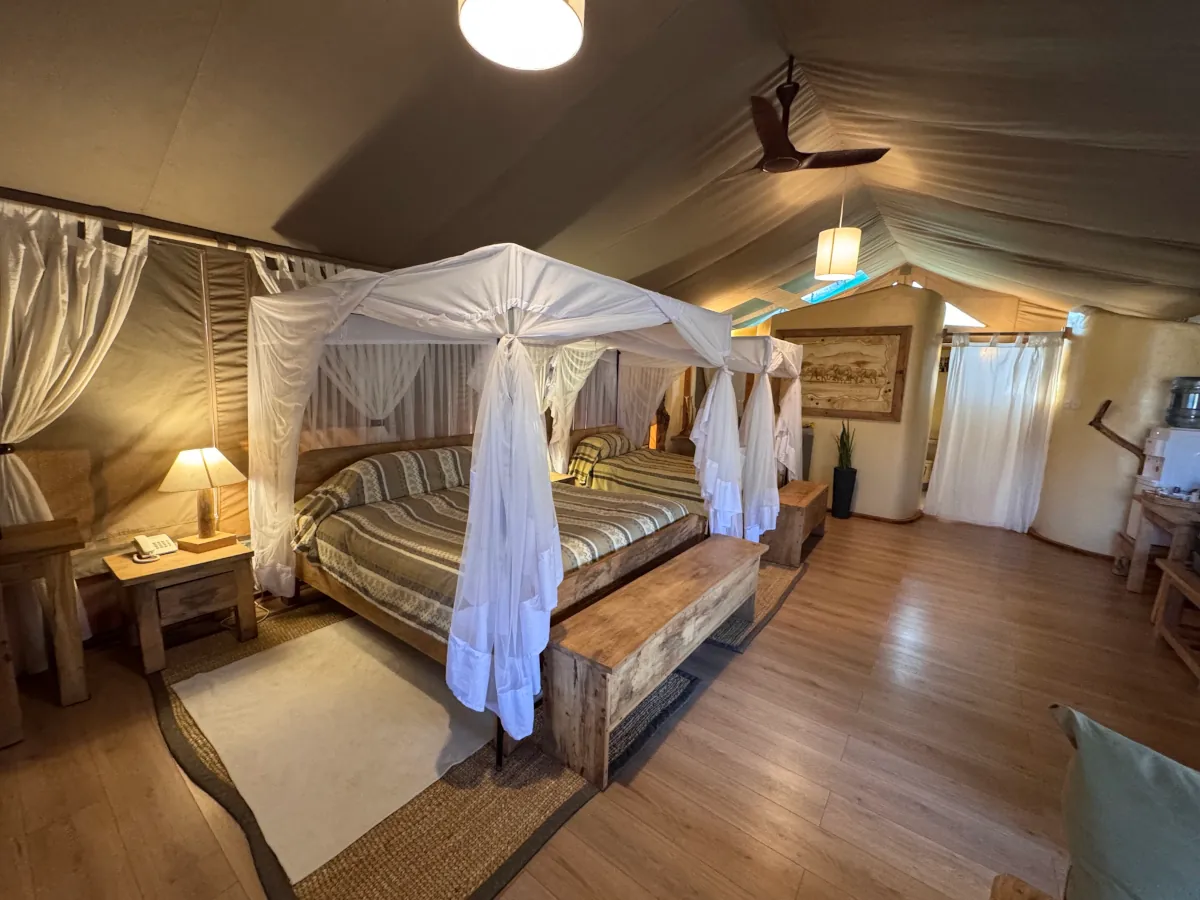
Inside the tent of Kibo Safari Camp
Unique experience
Heat mirages that looked like water, sand tornadoes, and watching elephants graze and play in the swamps.
Sunrises were often cloudy, so mornings were not always rewarding. Breakfast on a hill with a panoramic view was one of the most beautiful meals of the trip.
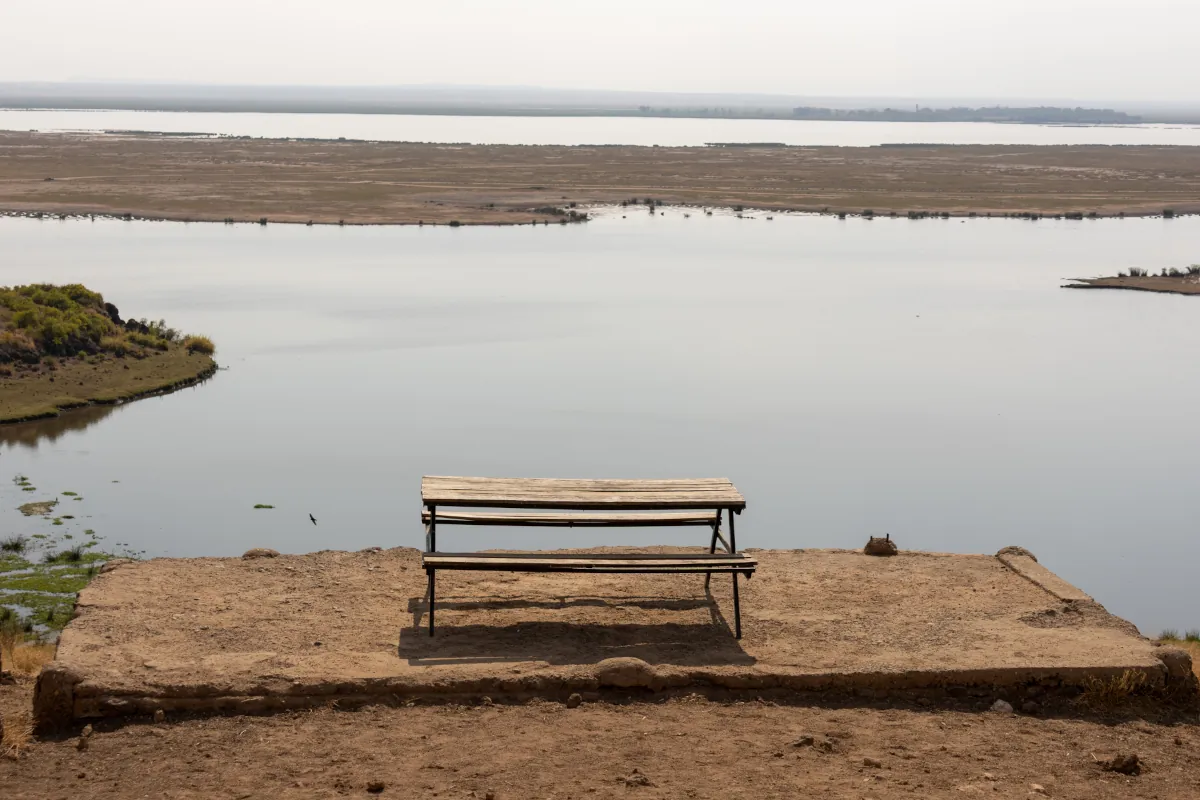
Picnic view in Amboseli National Park
Looking back after ten days, we gathered several lessons and tips that could help anyone planning a similar trip.
Reflections & Recommendations
10 days vs 7 days
If we were to do a safari again, we would choose fewer days and fewer parks. Ten days were a lot, and the long drives between parks became tiring. A seven-day safari would have been more than enough, especially if we had stayed longer in fewer places. For us, Lake Nakuru, the Masai Mara, and maybe Amboseli for the elephants would have covered almost everything we wanted to see. The only exception was the wildebeest river crossing, which can only be seen in the Northern Serengeti and was one of the highlights of our trip.
Stay inside the park
If possible, book lodges inside the parks. These stays were always our favorites because we didn’t lose time driving to the gates every morning. Being surrounded by nature also made the experience feel richer. In some camps we saw elephants right outside, and in others they said you could even hear lions roar at night, although we weren’t lucky enough to catch that. Waking up and already being in the park made the days flow more smoothly.
Flying between parks
When planning, we didn’t even think about flying between parks. After experiencing the endless drives, though, we realized that taking small planes is worth considering if your budget allows. Some transfers took six hours or more on rough, bumpy roads, which locals call “African massage.” Flying would save a lot of energy and give you more time to actually enjoy the parks.
Expect long hours in the car
A safari means spending a lot of time inside a vehicle. Some days, we were in the car for 10 to 12 hours. At first, the excitement makes the hours fly by, but after a week, the fatigue sets in. It helps to be mentally prepared, bring something to read or listen to, and take breaks when possible. If you are prone to motion sickness, don’t underestimate it. As an example, my wife felt unwell almost every day after the third day.
Nature calls in the bush
Since you spend so much time in the parks, be ready to answer nature’s call in the bush. Most drivers will find a safe spot if you need it, but it is not always comfortable. Bringing biodegradable wipes or toilet paper can make things easier. And if you get motion sickness, don’t be surprised if you need to stop for that too.
Sunsets are worth stopping for
The sunsets, especially in the Serengeti, were breathtaking. Some of our favorite moments were simply sitting in the vehicle as the sky turned gold and red over the plains. Don’t rush back to camp and ask your driver to stop so you can enjoy it, or take in the view from the lodge if you arrive early. Those quiet minutes watching the sun sink below the horizon were worth as much as any animal sighting.
Drivers joining meals
One thing that surprised us was that in some lodges, the guides sat with us at dinner. While it was nice to get to know them better, after 12 hours together in the car we were hoping for a quiet, romantic dinner just the two of us. It is something to be aware of as some may appreciate the company, others may prefer more privacy.
Border crossings
Crossing from Kenya to Tanzania and back again was smoother than we expected, but it still took time and patience. There were lines, forms to fill out, and some waiting around in the sun. Having all documents ready made the process easier. It was not stressful, but it is good to know that it adds at least an hour to the journey.
Early mornings and long days
Most days started around six in the morning and finished by late afternoon or early evening. This rhythm means you are often up before sunrise and back at camp just in time for dinner. It was exciting in the beginning, but after several days, it became physically demanding. A safari is not a relaxing holiday; it is an active one, and it helps to be prepared for that pace. In the last days, we were asking to be back at the hotel earlier and leave later so we could rest more.
Crowding at sightings
Not every animal sighting is serene. In places like the Masai Mara, when a leopard was spotted, dozens of vehicles would rush in. The drivers pushed for the best angle, and it sometimes felt chaotic. In contrast, parks like Tarangire or Lake Nakuru felt calmer and more intimate. Both experiences are part of a safari, but it is useful to know that the most famous parks can also be the most crowded.
Health and food safety
We were very careful with what we ate and drank, and that paid off. Sticking to hotel meals, avoiding street food, and drinking only bottled or provided water meant we stayed healthy for the entire trip. It might sound restrictive, but being sick in the middle of a safari would have ruined the experience. A little caution is worth it.
Photography considerations
If photography is important to you, bringing the right equipment makes a huge difference. We used a Canon EOS R7 with an 18–150mm kit lens for general use and a 100–400mm telephoto for distant wildlife. The telephoto lens was essential for capturing animals that stayed far away, while the 18–150mm allowed us to photograph landscapes and closer animals without constantly changing lenses.

Taking photos with the new camera
The parks are dusty, so keeping your camera gear covered and cleaning it regularly is essential. Fast memory cards are also important for continuous shooting, and having multiple smaller cards makes backups easier and reduces the risk of losing all your photos. There are endless opportunities for photos, from close-up animal portraits to dramatic landscapes. A safari is a photographer’s dream, but it requires preparation, patience, and some lens switching along the way.
I’ve shared some of my favorite shots on Instagram, and if you’re interested in high-resolution versions, some are also available on Adobe Stock.
Choosing the right level of lodging
We were happy with the mid-range lodges we chose. They were comfortable, well-run, and always clean. In the end, we did not spend much time at the lodges, since game drives filled most of the day. For us, paying for luxury would not have been worth it, but mid-range gave us comfort without feeling extravagant. The experience outside the lodge was always the real highlight.
Beyond the practical advice, there are also the feelings and memories that shaped this trip. Here is what stood out most for us when we look back.
Final Thoughts
Looking back, this safari gave us some of the most unforgettable moments of our travels. Seeing a lioness bring down a wildebeest in front of us, watching cheetah cubs play, or waiting for hours by the Mara River before the wildebeest finally leapt into the water are memories that will stay with us forever. The landscapes were just as impressive as the animals, from the calm waters of Lake Nakuru to the wide-open plains of the Mara, the volcanic walls of Ngorongoro, the baobab forests of Tarangire, and the swamps of Amboseli. Evenings by a fire pit, with the sounds of nature in the background, gave us the quiet moments to take it all in.
If we were to do it again, we would plan a shorter trip. Ten days felt too long, and the endless hours on rough roads left us tired. Seven days would have been enough to see everything we wanted while still leaving time to rest. We also learned the value of staying inside the parks. The camps within the reserves gave us the richest experiences, with elephants walking near the tents or the chance to hear lions in the distance at night. Flights between parks are also worth considering, since they would save energy and give more time for what really matters.
This kind of trip is best suited for those who love wildlife and nature and for travelers who do not mind long days in a car. Couples and small groups who value comfort without luxury will also find it a perfect fit. For us, it was a journey full of wonder, patience, and discovery. Every day offered something unique, and it reminded us why we had chosen Africa at the top of our list.
If you’d like to see more from this trip, I’ve posted photos on Instagram and made some available on Adobe Stock.
Cheers, and if a safari is on your list too, I hope this helps you plan the adventure of a lifetime.